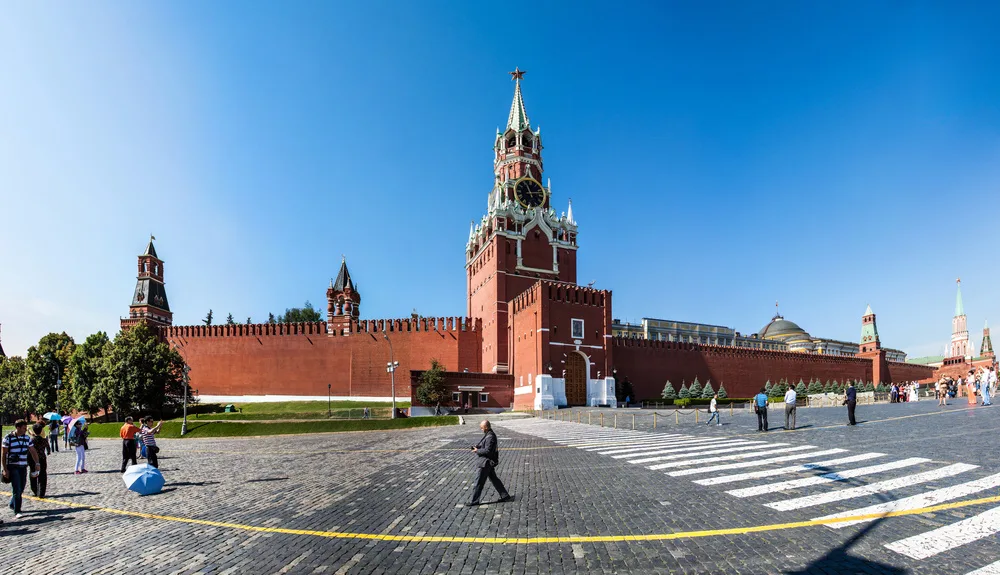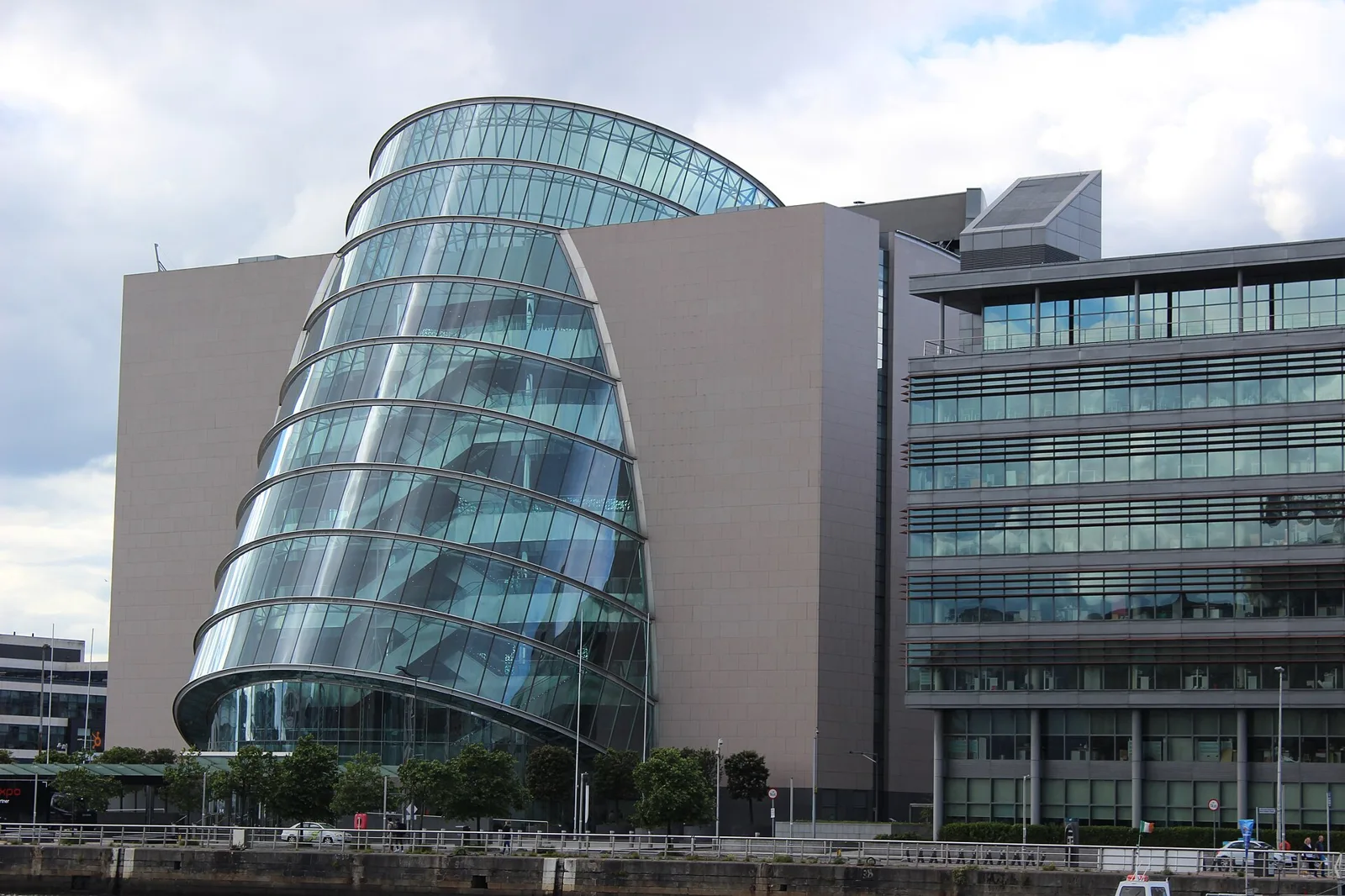
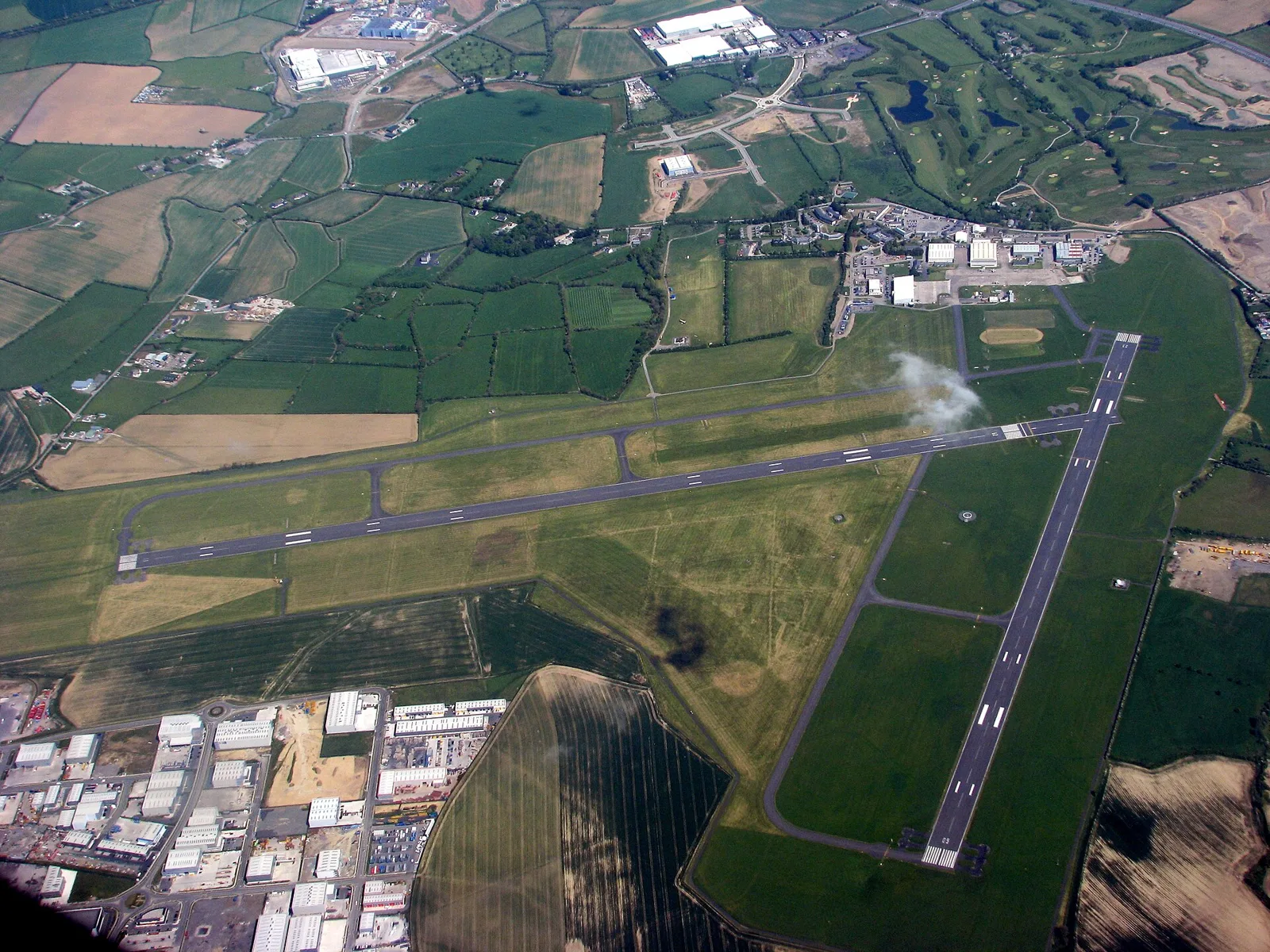
The day of shuttle diplomacy that began in the Kremlin ended at an Irish military airfield on Thursday night with the US envoys announcing that the Ukraine talks will widen: Russia and Ukraine have agreed to expand the next round to include European nations, Jared Kushner said, and Kushner told reporters the envoys had been able to finalise on the prisoner-of-war exchange. Envoys Steve Witkoff and Jared Kushner flew from Moscow, where they had met President Vladimir Putin, to Baldonnel Aerodrome outside Dublin, where they briefed President Volodymyr Zelensky for almost an hour amid a heavy security presence, the Press Association reported. Reuters reported that Putin had agreed to let European representatives join the next round of talks, according to a US envoy — the claim this site's Moscow report left open hours earlier, when Kremlin aide Yuri Ushakov would not confirm it. Ushakov still has not confirmed it: briefing after the Moscow talks, he did not confirm that the Europeans would join the next round and said their current stance amounted to "a recipe for endless war," Reuters reported. The expansion and the exchange are therefore announced outcomes resting on the envoys' word and Kyiv's welcome, not on a Kremlin confirmation.
What was announced in Dublin?
A wider table and a finished exchange, on the envoys' account. "We were able to finalise on the prisoner of war exchange, which is a very important thing," Kushner told reporters, "and to return these thousands of people to their families I think will be a very nice milestone to achieve." On X, he framed the same work as ongoing: "We are also working toward what would be the largest prisoner exchange of the war, potentially reuniting thousands of people with their families," without giving details of the deal, Reuters reported. Zelensky, standing alongside the envoys, said there will be "the biggest exchange of war prisoners" and "our soldiers will come home": "This is a real result, this is very important and successful for the families and to all of us that people will come home to their families." He welcomed European representatives taking part in negotiations next week: "They will have a voice. This is important for us because the war is in Europe." Witkoff said, "We've got another meeting on the schedule." No date or venue for the expanded round was reported by any of the sources opened for this article, and no number for the exchange was given in Dublin.
Did Putin agree to a European seat?
Witkoff says he did; the Kremlin aide's briefing does not say so. "The Europeans will join at the next meeting, which we consider to be a very important moment because they are our partners and it's important to us that they take part," Witkoff told Russian state TV after the Kremlin meeting, Reuters reported. Kushner said expanding the round to European partners would let the talks tackle "broader postwar European security arrangements alongside the territorial issues between Ukraine and Russia," and that a lasting end to the fighting required credible security guarantees and "reciprocal" de-escalation commitments. In the Kremlin, Kushner told Putin Washington had detected "a big change" on the European side, and Putin replied that Moscow had never opposed dialogue with Europe: "It was they who broke off the dialogue with the Russian Federation." But Putin also warned that sending Western troops into Ukraine after a peace deal would trigger a resumption of the war, and asked Washington to work with its allies "so that they can finally make up their minds as to what they want: peace or war in Ukraine." Zelensky, for his part, said it was "important that everything is unblocked" and that the agenda should work on "any kind of de-escalation, some kind of ceasefires."
What else came out of the Kremlin meeting?
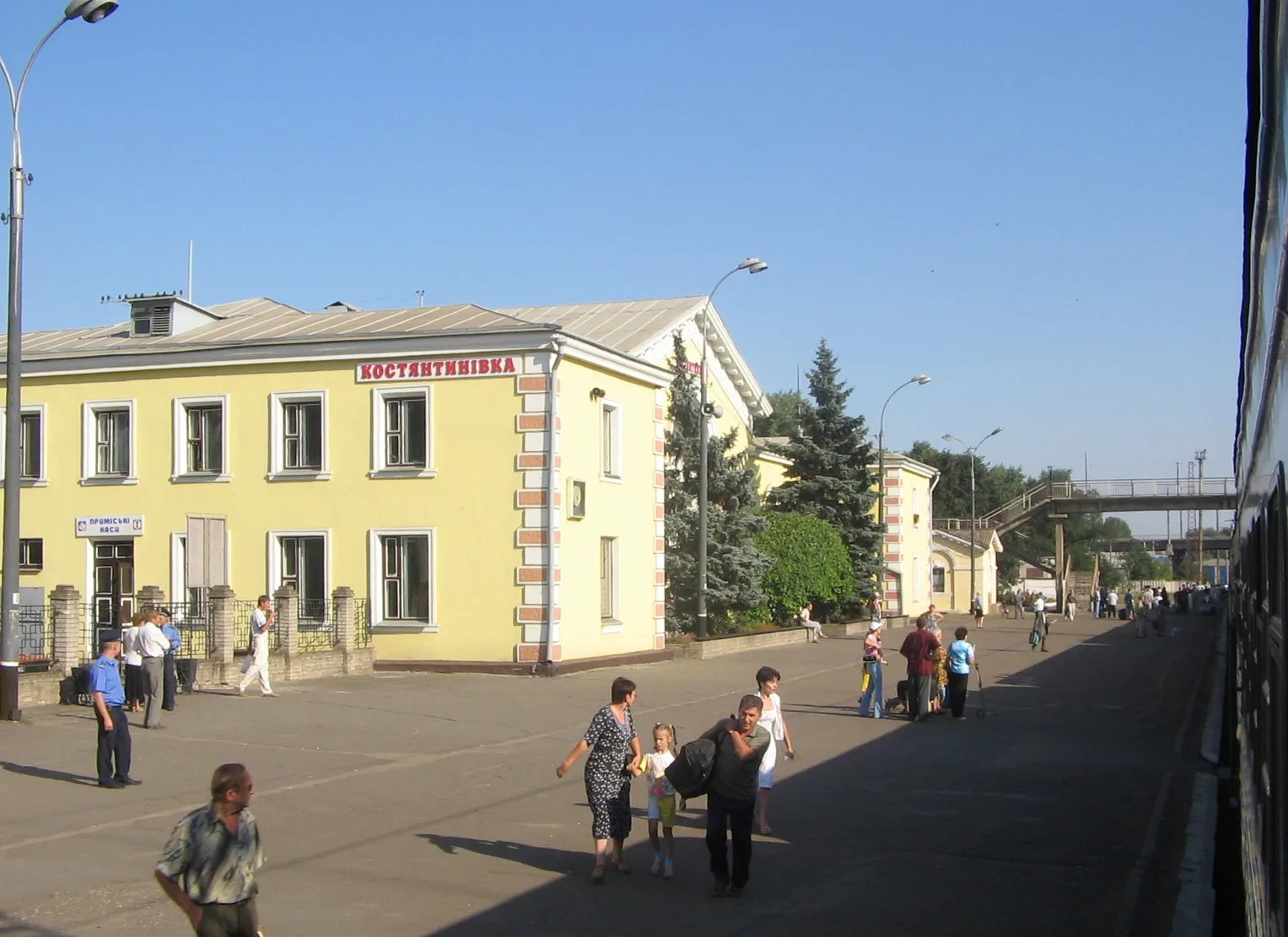
A proposed humanitarian mission, and no movement on territory. Putin told the envoys Russia was proposing a joint Russian-Ukrainian humanitarian mission to Kostiantynivka in eastern Ukraine, modelled on the initiative that let residents leave Russian-controlled Oleshky at the end of last month, Reuters reported. Russia would need five days to clear mines near the city, he said, putting the residents still there at 400 to 500, and said Moscow controlled the city — an assertion Ukraine has taken issue with in the past, saying it retains a presence there. Ushakov said the envoys had welcomed the idea and would be in touch with Russia about it; Reuters noted Kyiv has expressed concerns that Moscow might wish to use ceasefires for such missions to enable its military to regroup. On the core dispute there was no shift: Putin said what Russia considers its state border should be the only meaningful demarcation point with Ukraine, in comments Reuters reported appeared to signal his determination to pursue full control of all four regions Moscow says it annexed in 2022, while Kyiv refuses to give up the rest of Donbas and Russia holds about one-fifth of Ukraine. Zelensky also raised a running friction with Washington: Reuters reported that earlier on Thursday he said disruptions to the Starshield satellite service were significant, affecting the entire front line, and described systemic restrictions in a Telegram post limiting the speed at which the service could be used, while the Press Association reported he told EPC delegates in Dublin that the 100mph restriction was limiting Ukraine's ability to take out fast-moving jet-powered drones; SpaceX declined to comment to Reuters and told CNN there had been no change in its service.
Sources: Reuters (MOSCOW/DUBLIN wire, 12 November 2026, read in full via the rostered 985theriver.com verbatim carrier, updated 01:08 UTC on 13 November; WASHINGTON wire, 12 November 2026, read in full via the rostered kwsn.com verbatim carrier, published 01:39 UTC on 13 November); Press Association (12 November 2026, read in full via the rostered Glasgow Times carrier); CNN (12 November 2026, updated version read in full, crawled 01:21 UTC on 13 November). The expansion of the next round to include European nations is carried by both Reuters wires, the PA report and CNN as the envoys' announced outcome, and was welcomed by President Zelensky in Dublin; the Kremlin's Ushakov did not confirm European participation, and that non-confirmation is reported in the lede, the body and the FAQ rather than resolved. The prisoner exchange is described as finalised by Kushner to reporters in Dublin (PA) and as being worked toward, at the largest scale of the war, in his X post (Reuters); no figure for the exchange was given in any source opened. The Kostiantynivka mission, the five-day demining claim, the 400-to-500 residents figure and the control assertion are Putin's, via Reuters, with Ukraine's past dispute of the control claim and Kyiv's regrouping concern carried alongside. The Starshield restrictions are Zelensky's account; SpaceX declined to comment to Reuters and told CNN there had been no change in its service. No market snapshot box is included: no figure opened this run was attributed by a source to the Dublin outcome.