Nuclear safety regulators representing 38 countries said on Monday that the risk of a nuclear accident in Ukraine is increasing this winter, urging Russia to stop its attacks on the country's power infrastructure. Without a stable electricity supply from the grid, the regulators said, it becomes more and more difficult for Ukrainian nuclear plants to keep their nuclear material cool and avoid a meltdown, Reuters reported.
What did the regulators say?
The warning came in a joint statement by three regulator bodies — HERCA, the Heads of the European Radiological Protection Competent Authorities; WENRA, the Western European Nuclear Regulators Association; and NORA, the Heads of the Nordic Radiation Safety Authorities — seen by Reuters ahead of publication. Together they represent 38 countries, including all EU countries, the US, Britain, Canada and Japan.
"Together we… express our deep concern about the increasing risks to nuclear safety arising from Russia's war against Ukraine, and its continued attacks on the country's energy infrastructure," the bodies said. "Together, (we) see an urgent need for Russia to cease attacks against Ukraine's nuclear facilities and the energy infrastructure essential to their safe operation."
If cooling failed, the regulators' concern runs to a meltdown and releases of radioactivity into the air, as happened during the 1986 Chornobyl disaster, which spread iodine-131, caesium-134 and caesium-137 across parts of Ukraine, Belarus, Russia and northern and central Europe, Reuters reported.
Why is the risk highest this winter?
Per Strand, the head of HERCA and NORA, said Russian attacks had become deadlier in recent weeks, for example by using drones that carry bigger payloads and are more precise in their targeting. "Because of this new tactic of the Russians, … clearly the highest risk will be this winter for a nuclear accident," he told Reuters.
The worst-case scenario, he said, would be a nationwide blackout of the Ukrainian power grid that would affect Ukraine's nine producing nuclear reactors simultaneously. "Nine reactors at the same time with the potential of (radioactive) releases would be quite a severe situation," he said. He stressed that the situation could be avoided if action was taken now and Russia was pressured to stop its attacks on energy infrastructure — and that if not, European countries must work together on their emergency preparedness to tackle the possible consequences of an accident.
What is the state of Ukraine's plants?
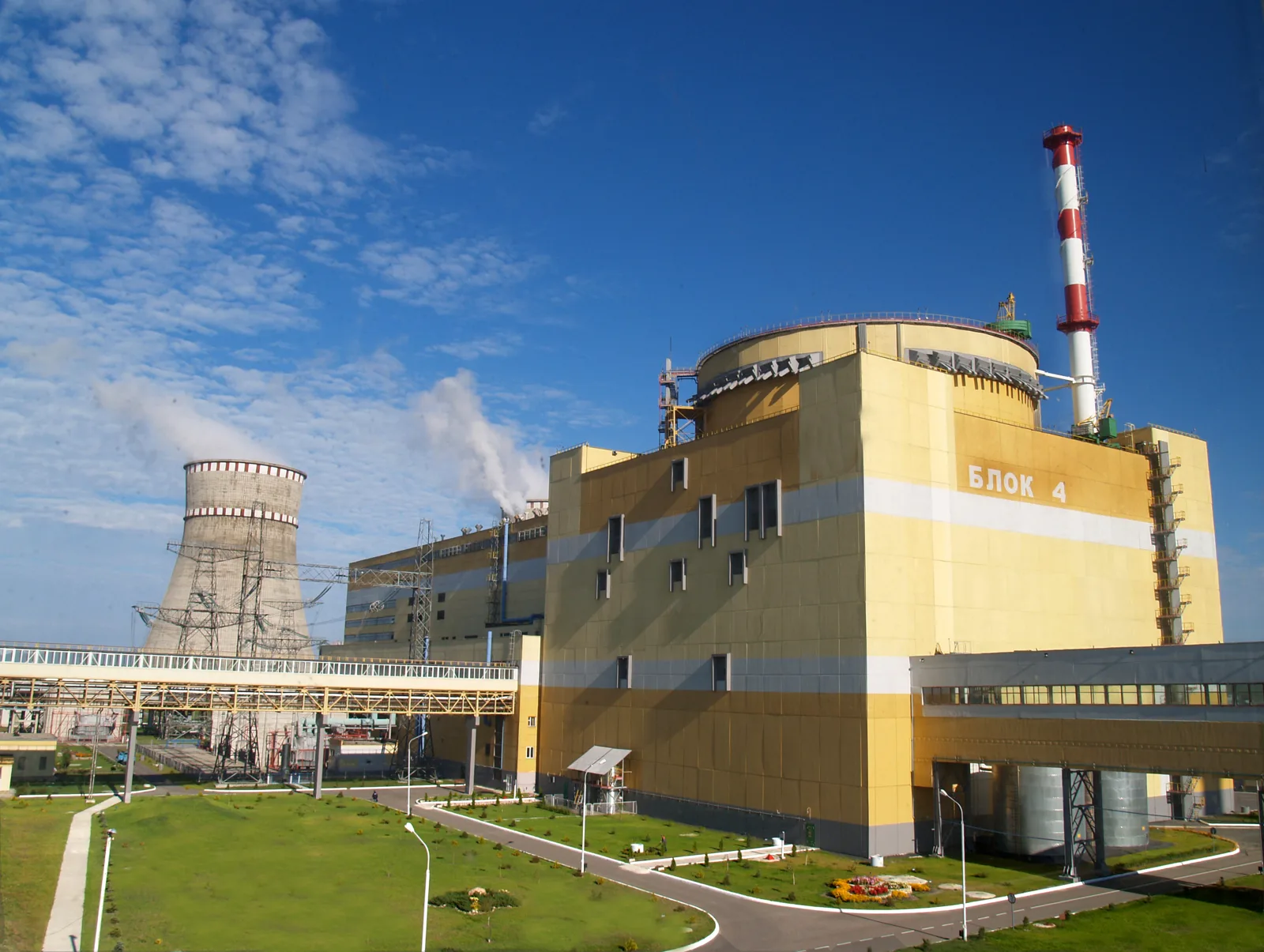
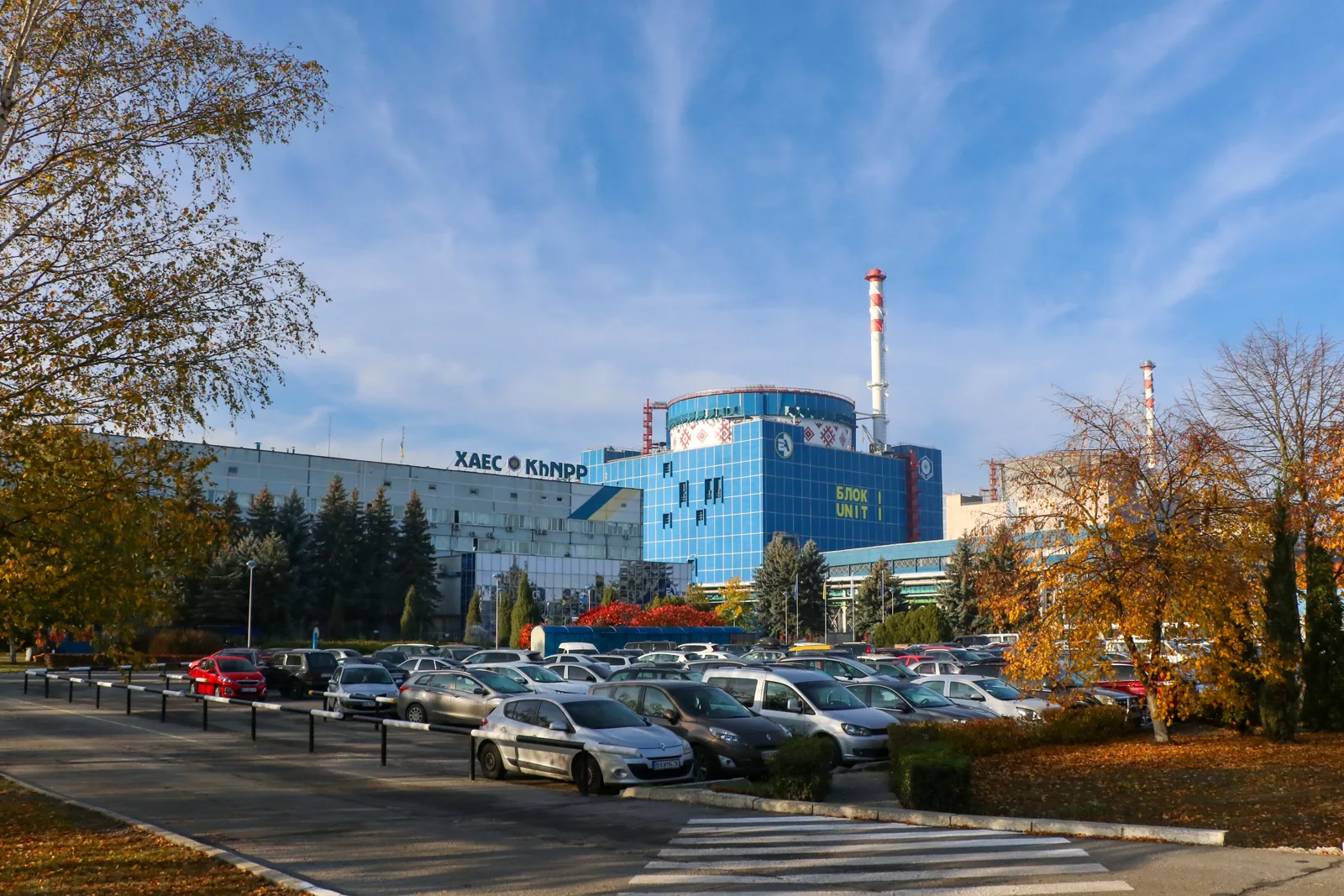
Ukraine has four nuclear power plants, of which three are in operation, providing some 80% of the power used this winter, Reuters reported. On Saturday, the International Atomic Energy Agency said military activity had caused instability in Ukraine's electricity in the preceding week, resulting in power reductions at some operating units in the country's nuclear power plants.
The fourth plant, Zaporizhzhia, is Europe's largest and is under Russian control in an area close to the front line. It is not currently producing electricity, but it relies on external power to keep its nuclear material cool and avoid a meltdown, and its equipment is powered by electricity supplied from Ukraine. Since the start of the war, Zaporizhzhia has lost off-site power 27 times, the IAEA said on Saturday, forcing it to switch to emergency diesel generators, and since late March the plant has relied on a single off-site power line. Russia and Ukraine accuse each other of striking the nuclear plant and of severing the power lines leading to it, Reuters reported.
Moscow has stepped up its drone and missile attacks on Ukrainian energy installations — plants, power lines and electricity substations — on a system already weakened after nearly five years of conflict, Reuters reported.
Sources: Reuters (16 November 2026, read in full via wixx.com, a rostered Reuters verbatim carrier, for the regulators' statement and the Per Strand interview, and the same morning's Reuters oil wire for the market figures). The regulators' statement is a document whose contents are reported by one Tier 1 wire — Reuters described it as an exclusive and said it had seen the statement ahead of publication — so the statement's wording, the bodies behind it and Strand's quoted assessment rest on that single opened Tier 1 report, as the site's source rules allow for document contents; no second outlet carrying the statement independently was found in this run. The IAEA figures (27 losses of off-site power at Zaporizhzhia, the single remaining power line, and the preceding week's power reductions) are the agency's Saturday statement as carried inside the same Reuters report. The market figures are Monday's early trading, checked at publish time; they predate the regulators' statement, and no source opened for this article attributed a market move to it.