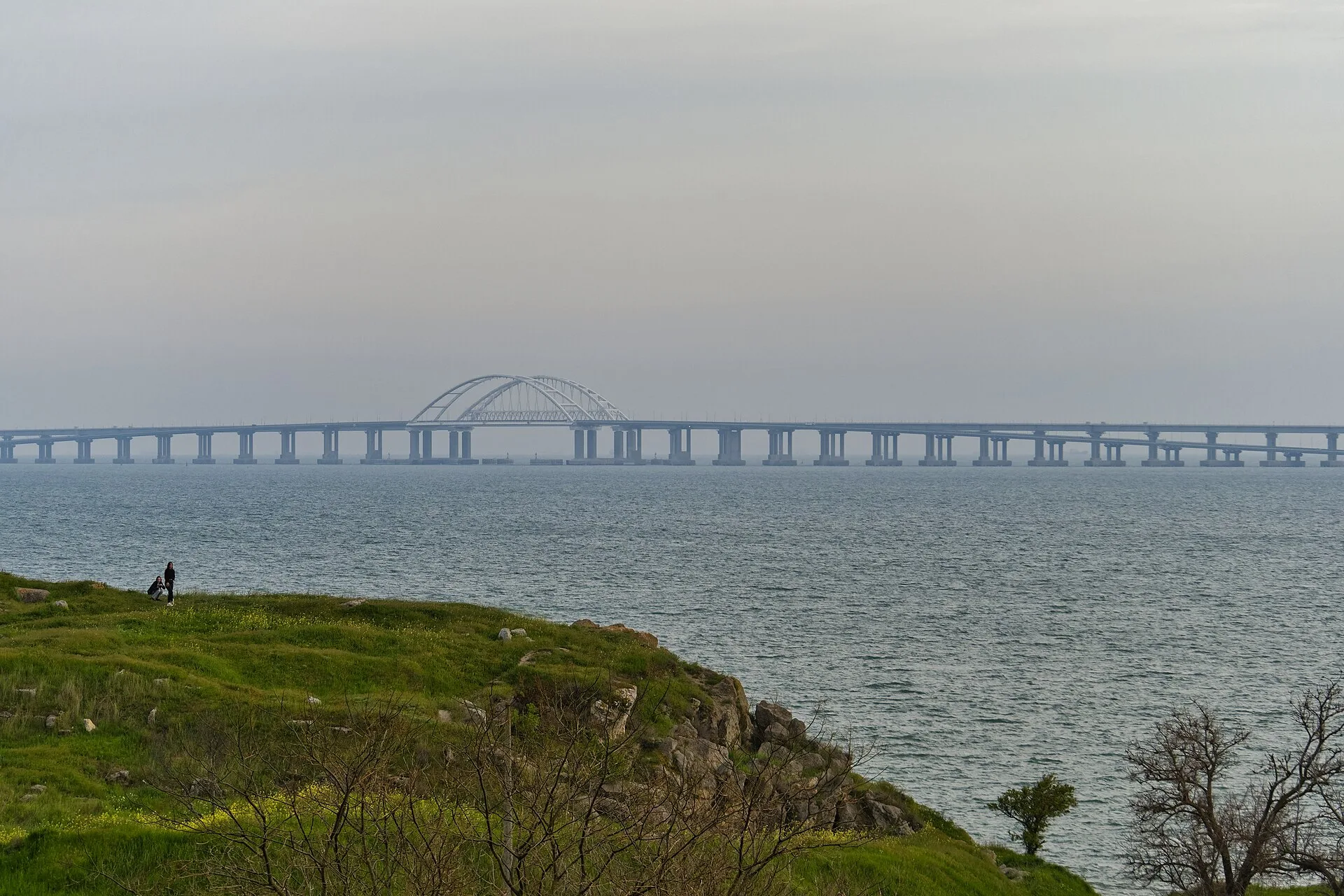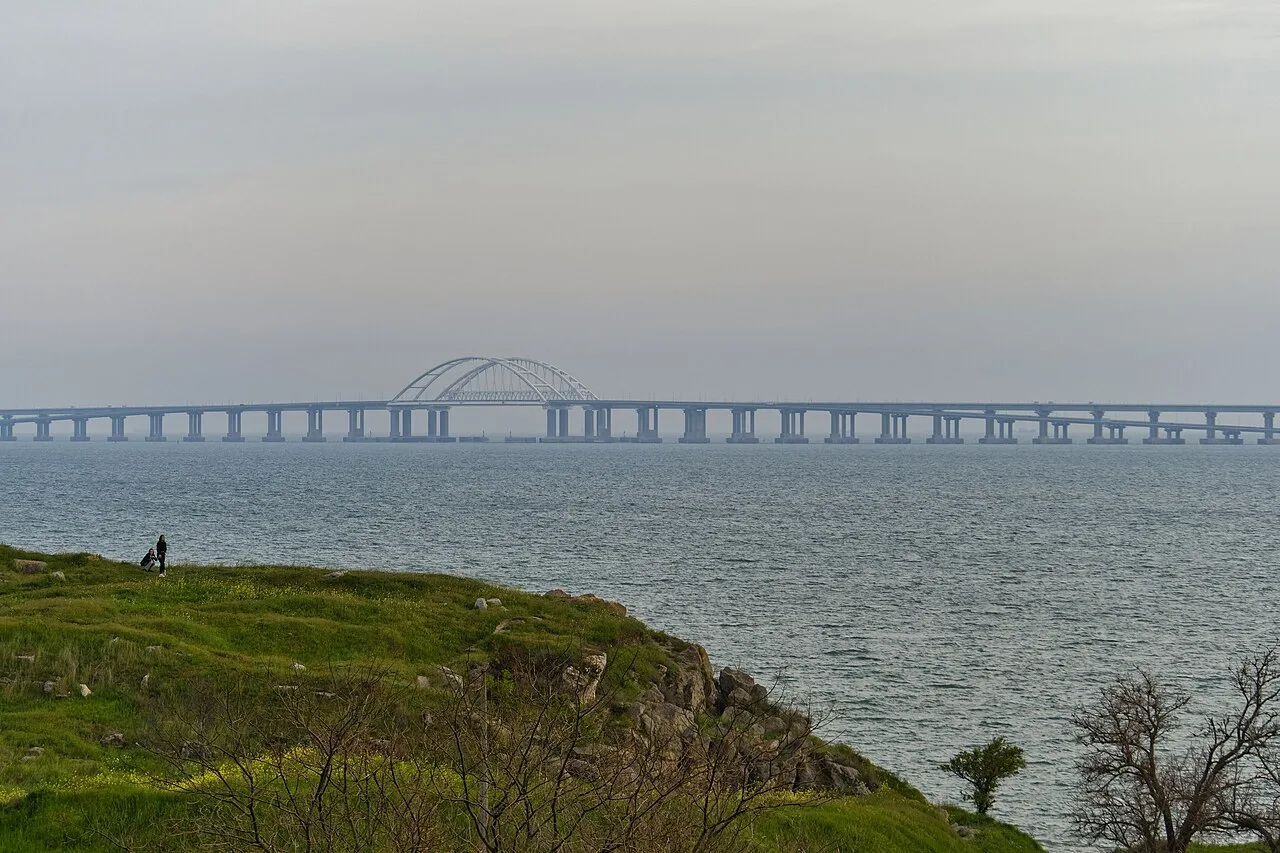
Ukraine struck the bridge linking Russia and Crimea across the Kerch Strait early on Monday, limiting the flow of traffic, Crimea's Russian-backed governor Sergei Aksyonov said. Aksyonov gave no details of any damage in his Telegram statement, but said traffic on the bridge would be limited until midday on Monday, Reuters reported. The strike attribution rests on the governor's statement — carried by both Reuters and the Kyiv Post — and Ukraine's military had not confirmed the strike in the reports opened for this article.
What happened at the bridge?
Traffic was halted before dawn and then restricted. The Kerch Bridge operational information channel said traffic across the bridge was halted at around 2:22 a.m. Moscow time, the Kyiv Post reported, and Aksyonov wrote on Telegram: "The enemy struck the Crimean Bridge. In connection with this, traffic will be restricted until approximately midday." He also announced an operational headquarters to coordinate the response. The Ukrainian monitoring outlet Crimean Wind, citing local residents, reported sightings of jet-powered drones and explosions in Kerch, and one subscriber claimed the bridge was hit at around 6 a.m., the Kyiv Post reported.
The closure reached the railways. Four passenger trains travelling to Crimea were delayed — two services from Moscow and one each from Adler and St Petersburg, with delays ranging from two to four and a half hours — Interfax reported, citing a representative of Grand Service Express, the company operating passenger rail services to the peninsula, via the Kyiv Post.
What else happened overnight?
The bridge strike came during what Russia described as one of the largest Ukrainian drone barrages of the war. Russia's Defence Ministry claimed on Monday that its air defences had intercepted and destroyed 1,336 Ukrainian fixed-wing drones over 17 Russian regions, occupied Crimea and the waters of the Black and Azov seas, the Kyiv Post reported, noting that the figures have not been independently verified.
In Azov, in Russia's Rostov region, drones struck an oil depot and a gas distribution station on the same night, causing fires at both facilities and injuring three men, according to regional authorities and monitoring sources cited by the Kyiv Post; fires broke out at four industrial facilities in the city in total, and drone attacks were also reported in Krasnodar Krai and the Yaroslavl region.
Why does the bridge matter?
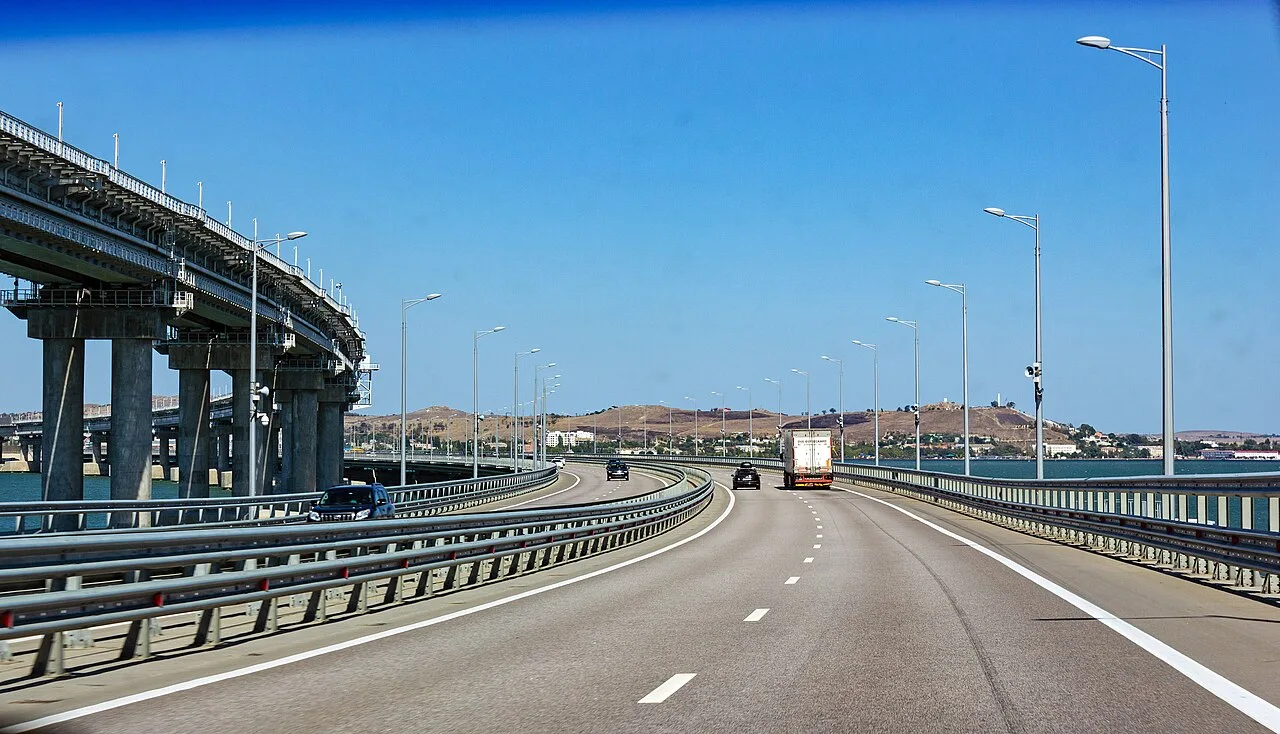
It is Europe's longest bridge, and it is the only fixed link between Russia and the Crimean peninsula, which Russia seized from Ukraine in 2014; Reuters described it as widely viewed as one of President Vladimir Putin's signature infrastructure projects. Monday's strike would be the fourth attack on it since the full-scale invasion began, the Kyiv Post reported: a truck bomb in October 2022 that killed four people and limited capacity for several months, a Sea Baby naval-drone strike in July 2023 that damaged a section of roadway, and an underwater explosive attack in June 2025 that the SBU said used more than 1.1 metric tons of explosives in TNT equivalent against the bridge's supports.
The timing runs both ways. Monday's attack came as Russia has intensified strikes on bridges in Ukraine, including the capital Kyiv, in the past few months, Reuters reported.
Sources: Reuters (16 November 2026, read in full via 985theriver.com, a rostered Reuters verbatim carrier, and the updated Reuters oil wire of the same morning for the market figures) and the Kyiv Post (16 November 2026, read in full via europesays.com, which carries the Kyiv Post piece). The strike on the bridge is a contested claim: both outlets carry the same underlying statement by the Russian-installed governor, Sergei Aksyonov, so this is dual carriage of one chain, not two independent confirmations — the attribution is stated in the headline, lede and FAQ, Aksyonov gave no details of damage, and no Ukrainian confirmation appeared in the reports opened. The 1,336-drone figure is a Russian Defence Ministry claim that the Kyiv Post noted has not been independently verified, and the Azov injury figure rests on regional authorities and monitoring sources cited by the Kyiv Post. The market figures are Monday's early trading, checked at publish time; Reuters attributed the oil fall to supply-surplus expectations, and the figures predate the first bridge-strike reports.