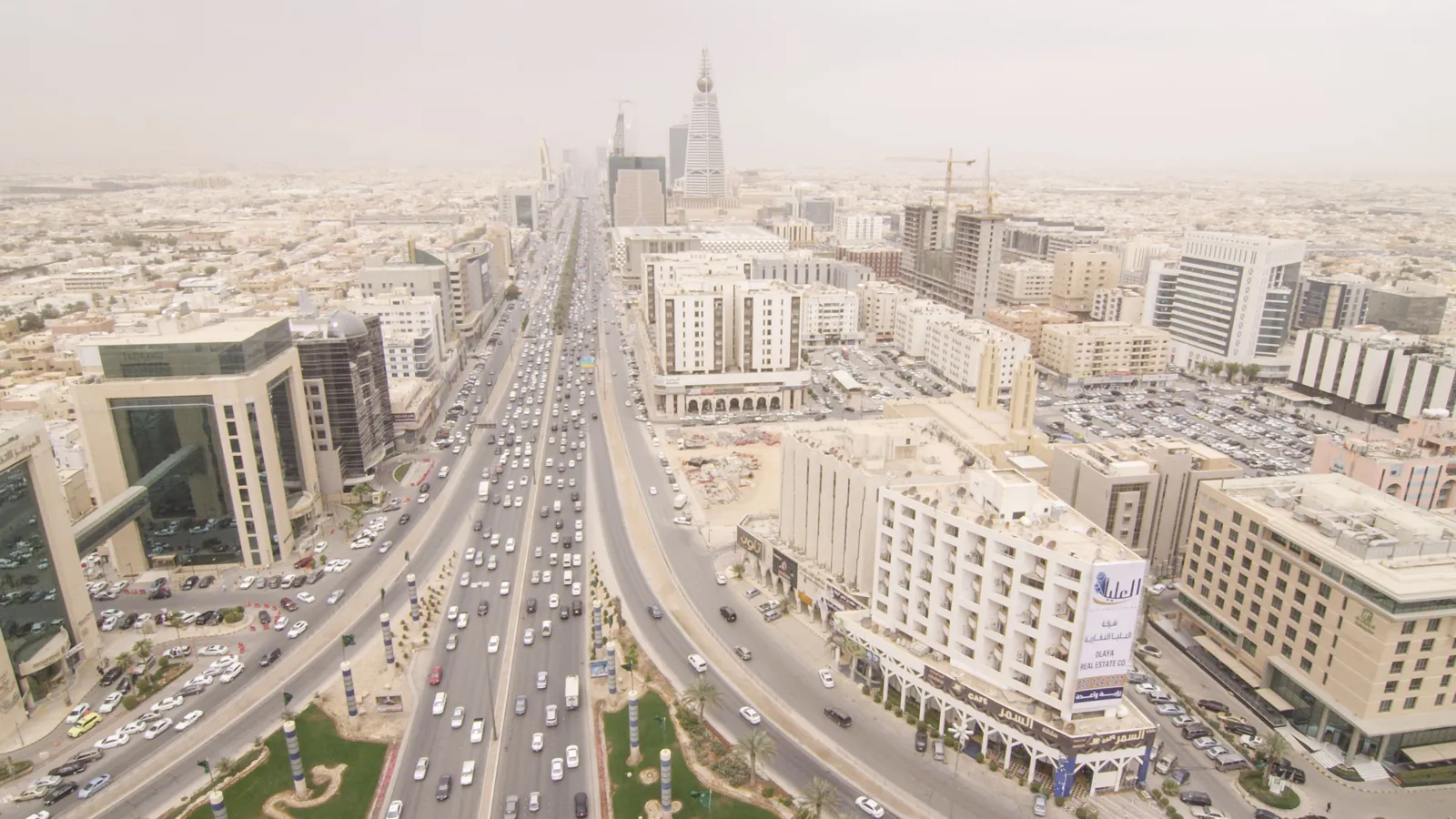
The Saudi-led coalition said on Tuesday that its air defences intercepted a ballistic missile and a cruise missile fired towards Riyadh, destroyed a ballistic missile launched towards southern Saudi Arabia and later brought down a drone over the oil-rich Eastern Province, in the second missile salvo on the Saudi capital in three days. Saudi Civil Defence sent early-warning alerts to residents of Riyadh and of the southwestern cities of Abha and Khamis Mushait before announcing the danger had passed, Reuters reported, and Al Jazeera, citing AFP, reported multiple explosions were heard in Riyadh. The Houthi-run Saba news agency also reported Saudi airstrikes on energy sites in Sanaa. No confirmed damage or casualty assessment for Tuesday's exchange had been published by either side at the time of reporting.
What happened over Saudi Arabia on Tuesday?
The coalition said its air defences destroyed a ballistic missile and a cruise missile fired towards the Saudi capital, Reuters reported. In a separate statement, the coalition said it had intercepted and destroyed a ballistic missile launched towards southern Saudi Arabia, which borders Yemen; Saudi Civil Defence had previously issued warning alerts for Abha and Khamis Mushait, in the southwest, before saying the danger had passed. The coalition later said it had intercepted and destroyed a drone over the Eastern Province — the kingdom's economic powerhouse, which holds the majority of its oil and gas reserves and is home to Saudi Aramco's headquarters, and which has been subject to multiple attacks in the past few weeks, Reuters reported.
Coalition spokesman Major-General Turki al-Maliki announced the interceptions in posts on X and blamed Yemen's Iran-aligned Houthi movement, Al Jazeera reported. That attribution is contested in one specific way: both Reuters and Al Jazeera reported that the Houthis had not immediately claimed responsibility for Tuesday's launches, so the claim that the group fired the missiles rests, for now, on the coalition's account. Al Jazeera's report, citing AFP, that explosions were heard in the capital corroborates that an interception event took place over Riyadh; neither wire reported a confirmed damage or casualty figure for Tuesday.
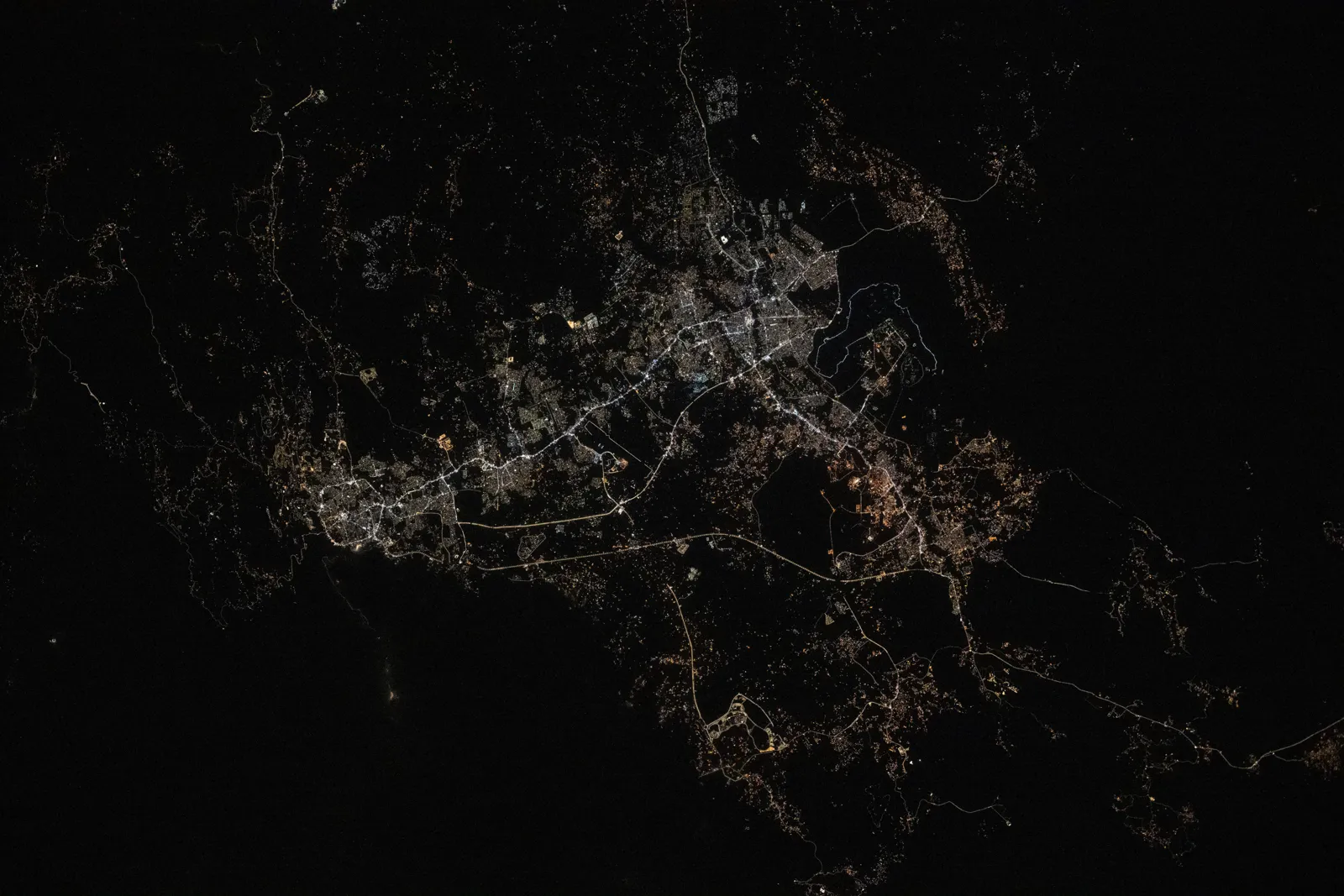
What was reported in Sanaa?
The Houthi-run Saba news agency reported that Saudi Arabia carried out airstrikes on Yemen's Houthi-controlled capital Sanaa, hitting the al-Mufazir gas station in the Jadar district north of the capital and a building belonging to the state oil company in southern Sanaa, Reuters reported. Saba later said civil defence teams were working to extinguish a fire in gas trailers at the al-Mufazir station. Al-Masirah television, the Houthi movement's channel, reported the same two targets — a Yemen Oil and Gas Corporation building on Southern al-Sittin Street in the al-Wahda district, damaged early on Tuesday, and the gas station in the Jader area of Bani al-Harith district — according to Press TV, which carried no casualty details. Saudi authorities did not immediately confirm the reported strikes, Reuters reported, and that limitation stands: the Sanaa strikes are reported by two Houthi-side outlets and carried by a Tier 1 wire, but they have not been confirmed by the coalition.
Why does this exchange matter?
Tuesday's salvo is the second attack on Riyadh in three days, and it pairs a ballistic missile with a cruise missile against the capital in a single salvo. On Sunday, falling debris from an attempted attack damaged the Aramco Tower in the King Abdullah Financial District, blowing out windows across several floors — the incident covered in Sunday's Aramco Tower report. The latest launches also came a day after an attack on Saudi Arabia's East-West pipeline in the Medina region, which the energy ministry said caused a limited fire that was extinguished, with operations unaffected and no perpetrator named, Al Jazeera reported; that pipeline is an important export route while shipping through the Strait of Hormuz remains restricted. The wider escalation dates from the collapse of the 2022 truce in July and the Houthis' September advance towards the Bab el-Mandeb Strait, after which the group stepped up strikes on Saudi airports, ports and oil facilities while Saudi Arabia carried out airstrikes on Houthi targets in Yemen, Reuters reported — the campaign set out in the Yemen war explainer.
Oil markets did not move on the Riyadh salvo in early trading: Brent crude was down 0.23% at $92.33 a barrel by 0102 GMT on Tuesday, a move Reuters attributed to President Trump downplaying the prospect of renewed escalation with Iran — no source attributed Tuesday's early price move to the interceptions over Saudi Arabia, and with every missile reported intercepted and no damage confirmed, that calm is consistent with the reporting so far.
Sources: Reuters (10 November 2026, read in full via SRN News, which carries Reuters wire copy verbatim); Al Jazeera (10 November 2026, read in full via a verbatim carrier); Press TV (10 November 2026, Iranian state broadcaster, used only for the al-Masirah account of the Sanaa targets); Reuters (9 November 2026, for Sunday's Aramco Tower damage and the July truce collapse, as published in this site's 9 November report); Reuters market snapshot (10 November 2026). Contested points — the coalition's attribution of the launches to the Houthis, which the group had not claimed, and the reported Sanaa strikes, which Saudi authorities had not confirmed — are published with their attributions and verification limits stated in the text, per this site's two-source rule.