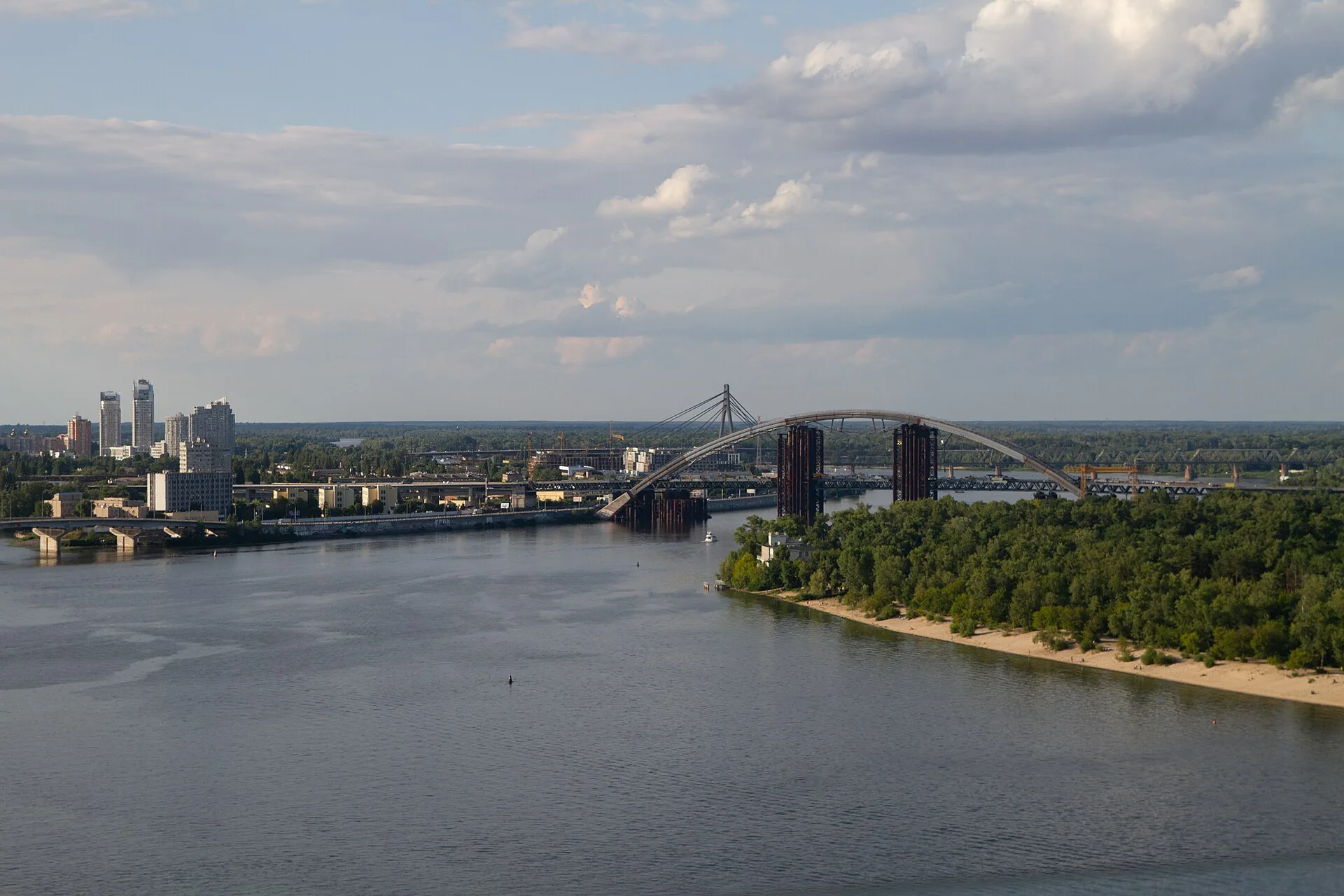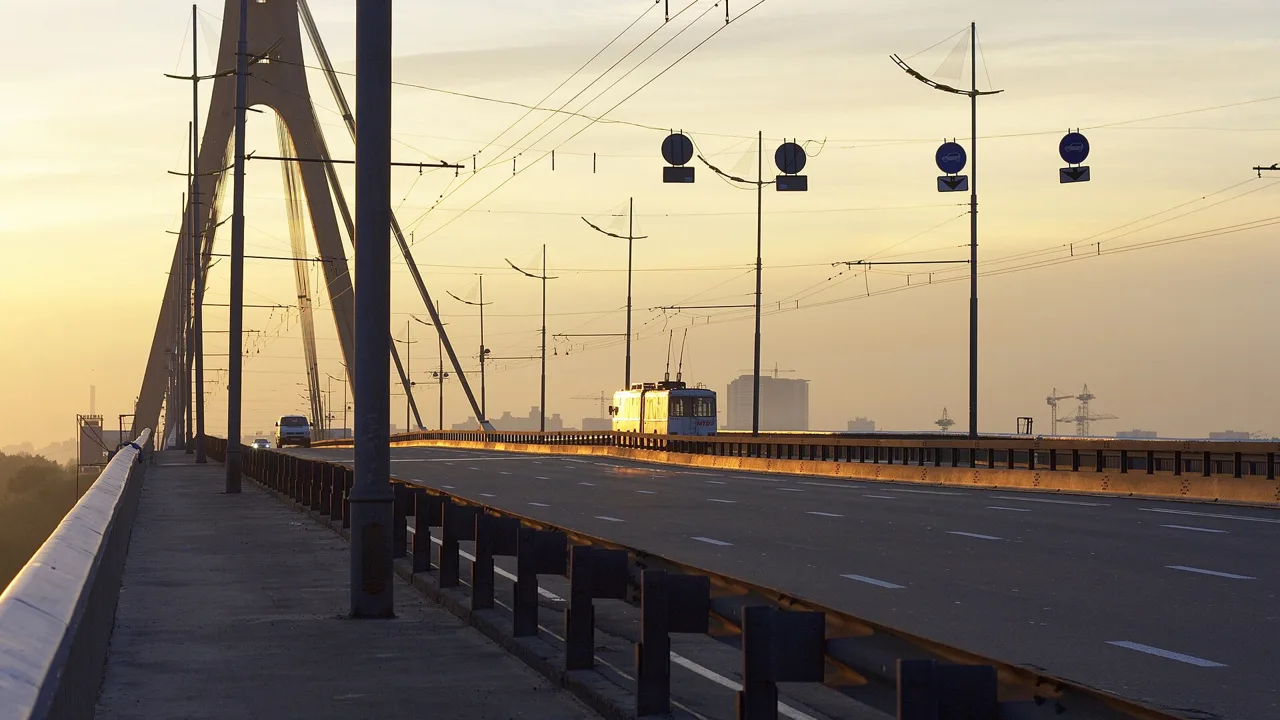
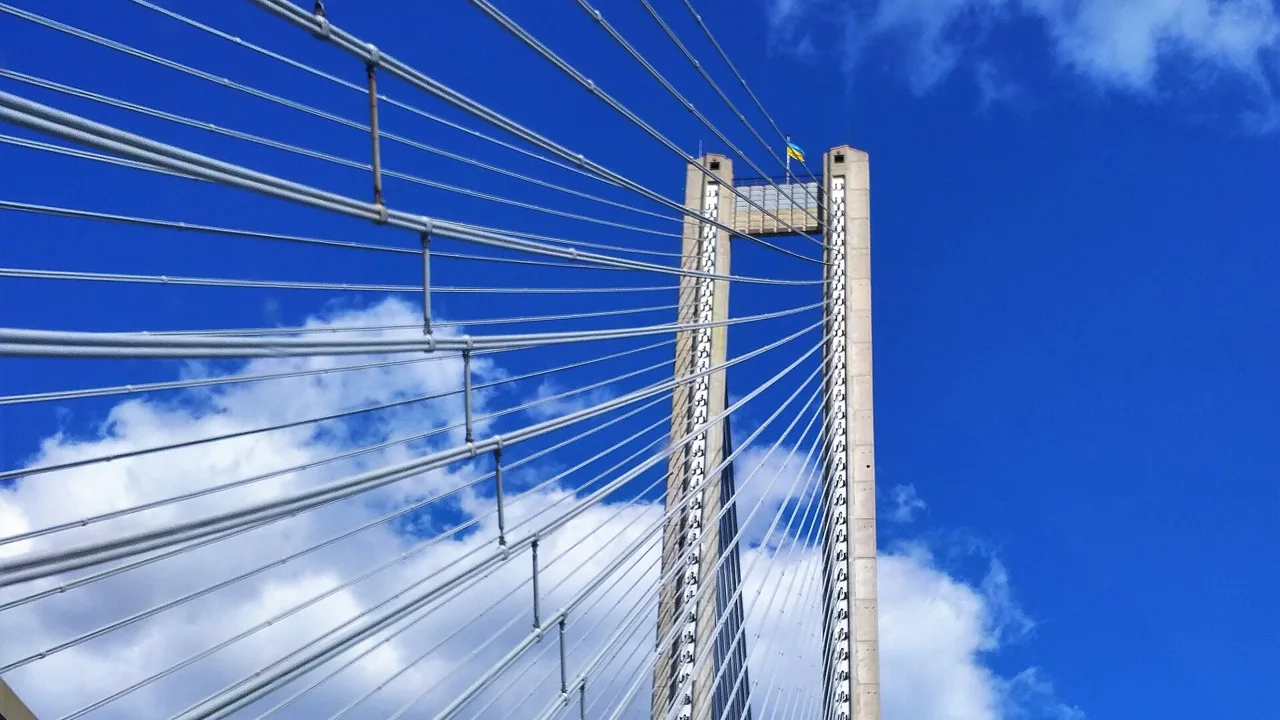
Russian forces struck Kyiv's North and South bridges over the Dnipro River late on Monday, Mayor Vitali Klitschko said, and by Tuesday morning both crossings were closed. Klitschko wrote on Telegram that, "according to preliminary information, there have been hits on the North and South bridges in the capital," Reuters reported, and Russia's defence ministry confirmed strikes on transport, military and energy facilities in Kyiv. Reuters said it could not immediately independently confirm the bridge reports; the Kyiv Post reported that Klitschko had released footage showing damage to the North Bridge, and that traffic remained suspended on both bridges with no reopening time announced.
What happened in Kyiv?
The strikes came as Moscow launched drones and missiles across other parts of Ukraine, and Reuters witnesses reported a series of loud explosions in the capital. The attack partially damaged the subway system, prompted some water and power cuts and traffic restrictions, Reuters reported. President Volodymyr Zelenskiy, who held talks with US and European officials on Monday, had said Russia's military was planning strikes for late on Monday and throughout Tuesday, according to intelligence reports.
The closures cut two of the capital's three main river crossings. The North and South bridges are two of the three main crossings connecting Kyiv's left and right banks across the Dnipro, the Kyiv Post reported. Train services on the metro's Green Line have been suspended on the section serving the eastern bank because of damage to above-ground metro infrastructure; trains continue on the rest of the line, and all underground stations remain open as shelters during air raid alerts. Some buses have been rerouted via another bridge. Klitschko said the strikes also damaged critical infrastructure and disrupted water and heating supplies in Kyiv.
Elsewhere in Ukraine, local officials said three people were injured in the Cherkasy region, Reuters reported — the Kyiv Post put the three injuries in Smila, in Cherkasy region — and Kharkiv, Dnipropetrovsk and Zaporizhzhia were also targeted. Russia's defence ministry said its strikes had also hit facilities in Zaporizhzhia, Cherkasy and Dnipropetrovsk, along with port infrastructure and cargo ships. Russia and Ukraine deny deliberately targeting civilians, Reuters reported.
What happened on the other side of the front?
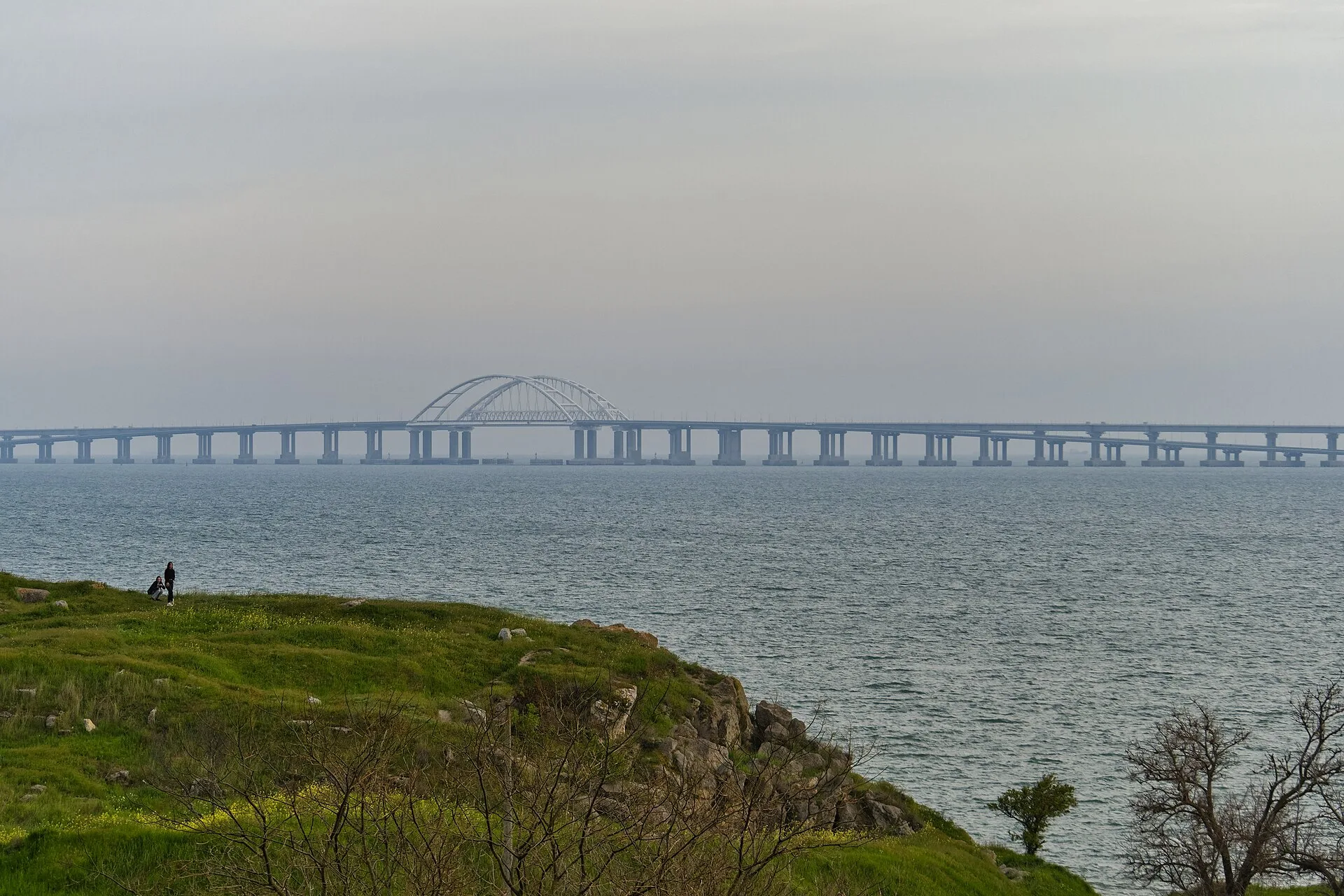
The same night ran in both directions. Ukraine struck the bridge linking Russia and Crimea for the second time in two days, Crimea's Russian-backed governor Sergei Aksyonov said on Tuesday, and traffic across the bridge was suspended, Reuters reported. Aksyonov said two people had been killed in the attack on Crimea; there was no immediate comment from Ukraine, and it was not immediately clear how seriously the bridge had been damaged in the second attack. The Kremlin said on Monday that the first attack on the bridge this week had caused only minor damage.
Russia's Defence Ministry said 1,441 drones had been shot down over 22 regions overnight — a tally that includes Moscow-controlled parts of Ukraine and would surpass Monday's figure of 1,336, itself a record, according to the ministry's data. Nearly 800 of the drones were heading in Moscow's direction, according to Telegram statements cited by Reuters, and air defences repelled a massive attack on the industrial areas of Ufa and Salavat in Russia's Bashkortostan region, home to a number of oil refineries, state media reported, citing local officials.
Why do the Kyiv bridges matter?
The strikes extend a campaign against the capital's river crossings that has run since early October. On October 1–2, repeated drone strikes on the South Bridge forced authorities to suspend traffic and close other crossings temporarily; on October 3, a strike damaged the North Bridge's road surface and trolleybus power lines; and the South Bridge was struck again on October 27, disrupting road traffic and Green Line metro services before authorities partially reopened it on October 30, the Kyiv Post reported. Kyiv has begun building backup crossings, with the first expected to become operational in early 2027, according to Infrastructure Minister Mykola Kalashnyk.
In its November 14 assessment, the Institute for the Study of War warned that Russia's intensified attacks on Kyiv's bridges could be aimed at disrupting transport and splitting the capital's electricity network along the Dnipro River. Monday night's strikes — two of the three main crossings closed at once, a metro section suspended and water and heating disrupted as winter approaches — are the broadest disruption the campaign has produced in the reports opened for this article.
Sources: Reuters (17 November 2026, read in full via srnnews.com and kwsn.com, rostered Reuters verbatim carriers, and the updated Reuters oil wire of the same morning for the market figures) and the Kyiv Post (17 November 2026, read in full via europesays.com, which carries the Kyiv Post piece). The bridge strikes are a contested claim: Klitschko's account is carried by both outlets, Russia's defence ministry confirmed strikes on transport facilities in Kyiv without naming the bridges, and Reuters stated it could not immediately independently confirm the reports — that limitation is stated in the headline attribution, lede and FAQ. The closures, metro suspension and rerouting are reported by the Kyiv Post from the city's own announcements. The two-killed figure for Crimea rests on Governor Aksyonov's statement carried by Reuters, with no Ukrainian comment in the reports opened, and the 1,441-drone tally is a Russian Defence Ministry claim presented as the ministry's data. The market figures are Tuesday's early trading, checked at publish time; Reuters attributed the oil fall to supply-surplus expectations, and no source opened for this article attributed a move to the Kyiv strikes.