A Ukrainian drone attack overnight on November 8–9 set fire to the Kirishi oil refinery — Russia's second-largest — in the Leningrad region of north-western Russia, the region's governor, Alexander Drozdenko, said, according to Reuters, which reported that he said the fire had been contained and that air defences had downed 113 Ukrainian drones over the region. The Kyiv Independent reported large explosions at the plant, about 800 kilometres north of Ukraine, and said satellite fire-detection data showed multiple hotspots at the facility. What has not been confirmed is how much refining equipment was damaged or whether the plant has stopped or reduced processing.
What happened at Kirishi overnight?
The attack unfolded in stages in the official account. In his first statements on Monday, reported by Reuters in an earlier version of its wire, Drozdenko said only that drones had struck Kirishi's industrial zone — he did not mention the refinery — and Reuters noted it could not independently verify his assertions. In a later statement on Telegram, reported by Reuters, he said the fire at the refinery itself had been contained and that crews were dealing with the aftermath. The Kyiv Independent, citing the Ukrainian monitoring channels Exilenova+ and Supernova+, reported large explosions and fireballs at the site, and said NASA's Fire Information for Resource Management System (FIRMS), which detects thermal anomalies from satellite data, had registered multiple hotspots at the facility. The Kyiv Post reported that videos filmed by residents and verified by the Russian independent outlet Astra indicated the attack targeted the KINEF refinery, with at least two fires, including one at a primary crude-processing unit; that unit-level assessment is preliminary, and no official confirmation of damage to specific units has been given. Drozdenko's count of drones downed over the region rose during the morning: TASS first quoted him at 81 drones downed while the air-defence operation was still under way, and his later statements put the total at 113, carried by Reuters, the Kyiv Independent and Anadolu.
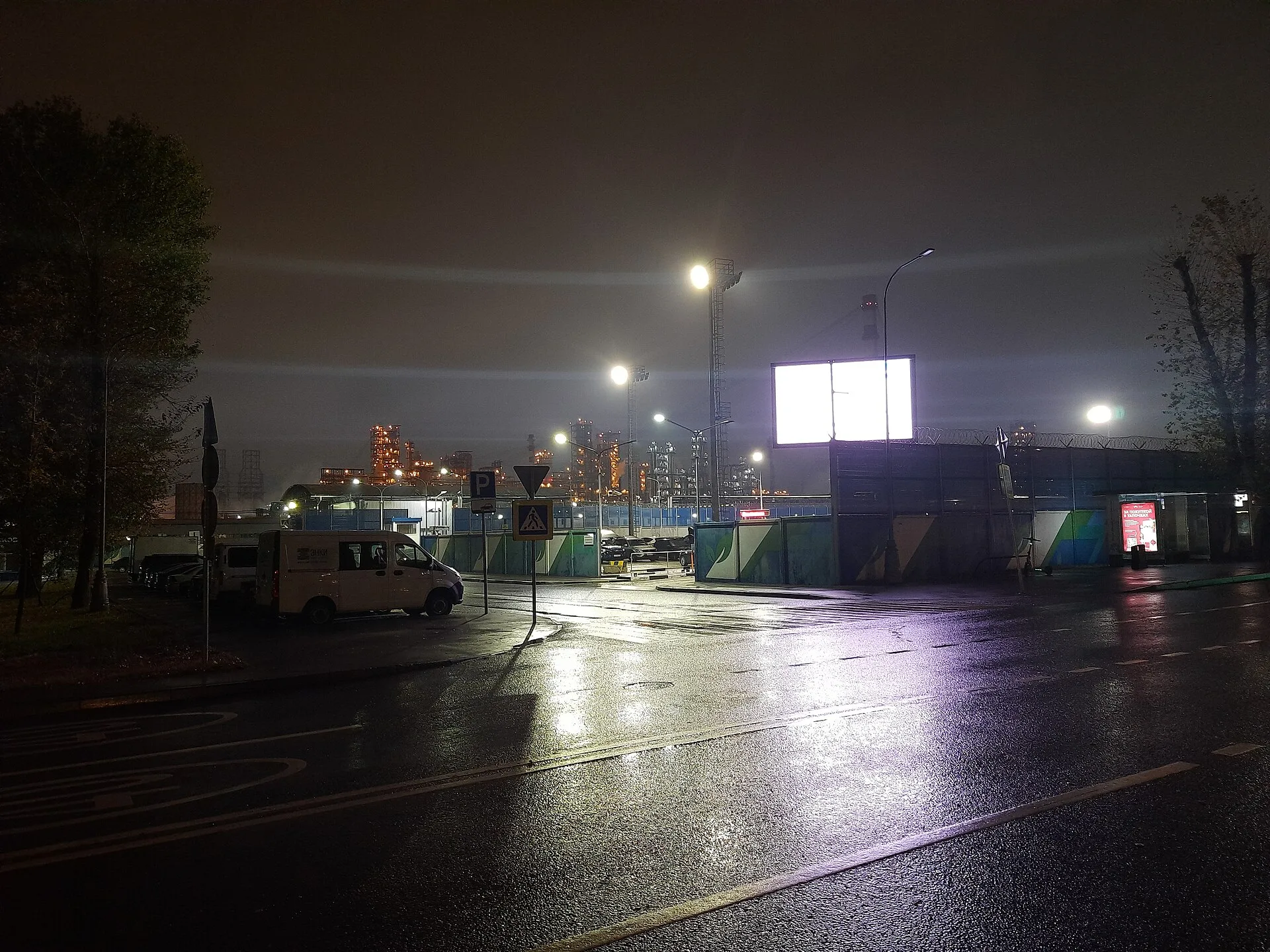
What is known about casualties and damage in the towns?
Reuters reported that Drozdenko said one woman had been killed by drone debris that fell on the roof of her apartment building in the town of Vsevolozhsk. That death rests on a single official account carried by one wire, and it is stated here with that limitation: earlier reporting the same morning, from the Kyiv Post and Anadolu, said shrapnel had struck an apartment in Kirishi and the roof of a building in Vsevolozhsk with no injuries reported in Kirishi, the damaged Kirishi apartment's residents evacuated, and no casualties from the Vsevolozhsk damage; no independent confirmation of the reported death was available in the reporting opened for this article. On the refinery itself, the confirmed position is narrower than the first social-media claims: a fire occurred and was contained, according to the governor via Reuters, and fire hotspots were detected from satellite, according to the Kyiv Independent. Neither the operator, Surgutneftegas, nor any independent assessment opened for this article has confirmed which units were hit, whether processing has halted, or how long any interruption would last. After the previous attack, on August 30, the refinery suspended all processing after two primary crude units were damaged, the Kyiv Post reported.
Why does the Kirishi refinery matter?
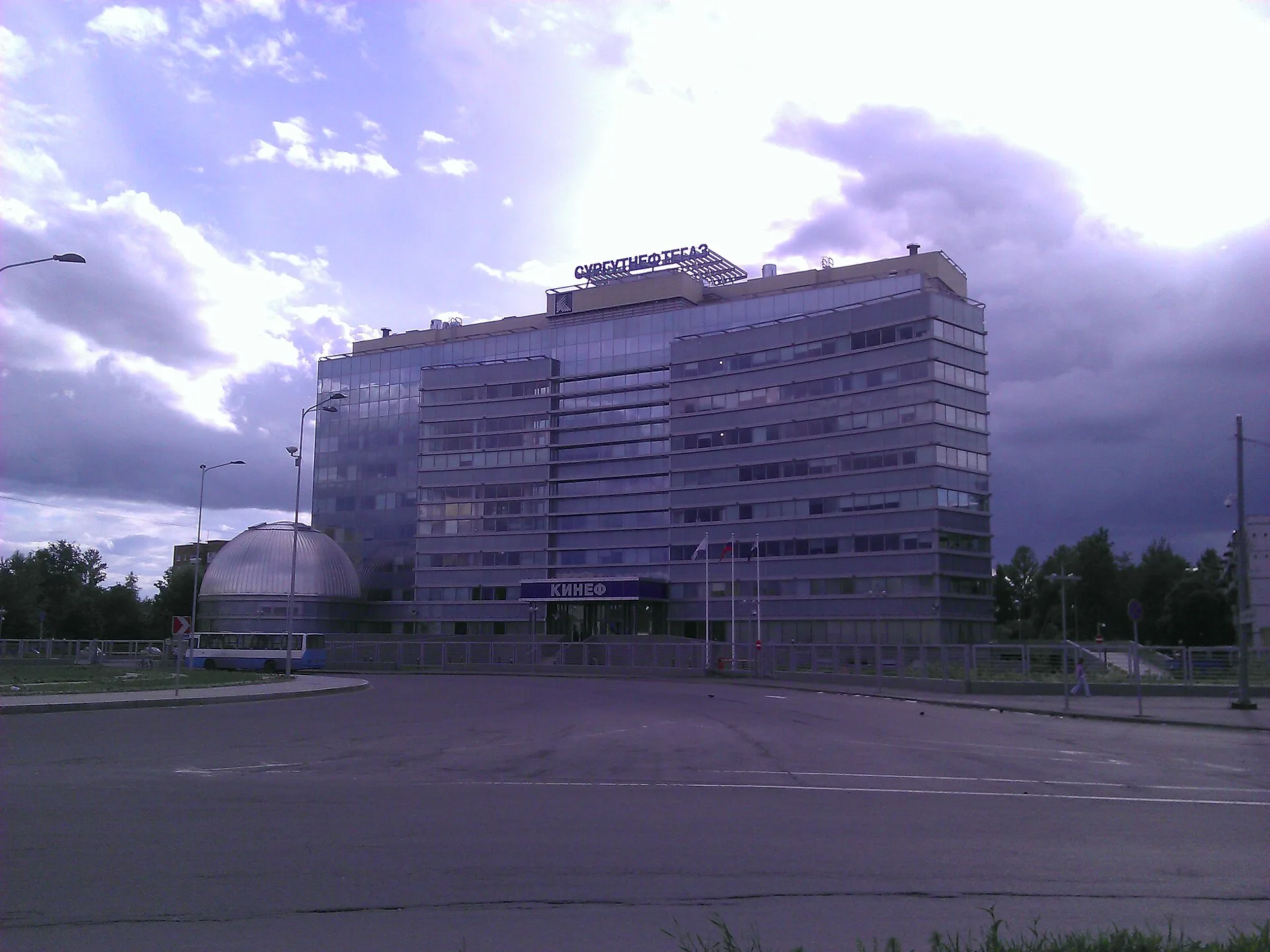
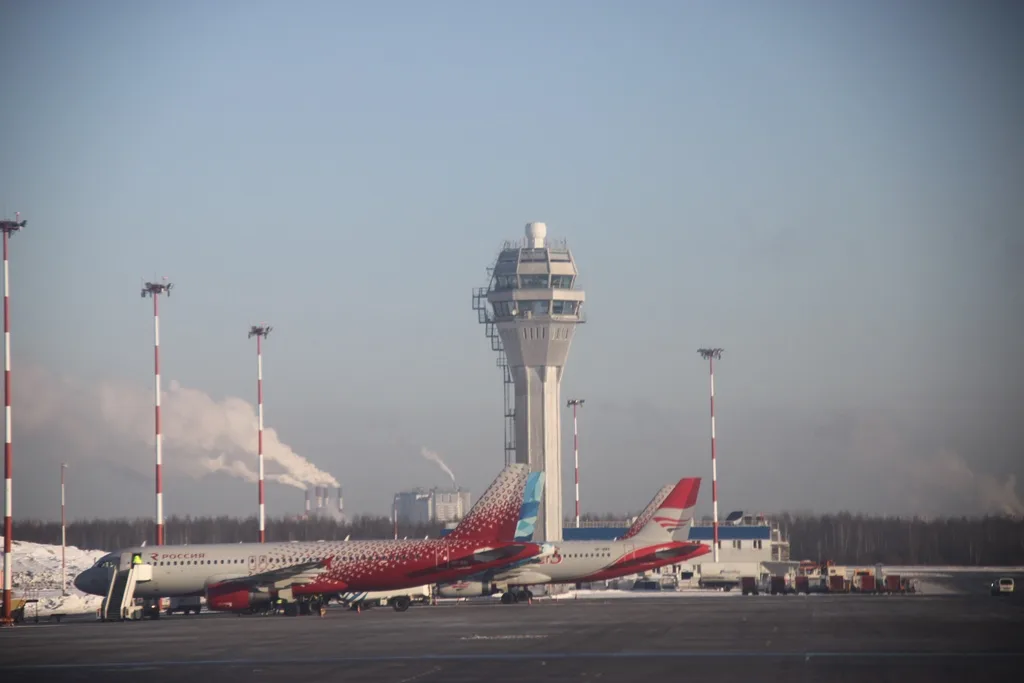
Kirishi — formally Kirishinefteorgsintez, or KINEF — can process 20 million metric tons of crude a year, about 400,000 barrels per day, according to Reuters, and produces more than 6 percent of Russia's total refined oil, including fuel that supports the country's armed forces, according to the Kyiv Independent. It is owned by Surgutneftegas, is subject to sanctions imposed by the United States and other Western governments, and supplies petroleum products across north-western Russia, including St Petersburg and Pulkovo Airport, according to the Kyiv Post. The plant has been struck repeatedly: it temporarily halted processing on May 5 after drone strikes damaged three of its four crude distillation units, and it was targeted again on August 30, the Kyiv Independent reported. Reuters reported that Kyiv has stepped up its strikes on Russian refineries since the end of October, after an energy ceasefire announced by US President Donald Trump failed to take hold in a meaningful way; the Kyiv Post reported that the campaign resumed on October 30 after a pause of nearly two weeks.
What happened on the same night in Ukraine?
The Kirishi attack was one half of a heavy night of drone exchanges. Ukraine's Air Force said Russia launched 317 drones overnight and that its defences shot down 271 of them, Anadolu reported. In the central Poltava region, Governor Vitaliy Dyakivnych said Russian drones struck a 16-storey residential building and a hotel in Kremenchuk, injuring seven people, and Ukraine's State Emergency Service said rescuers saved 15 residents and extinguished the fires, Anadolu reported. Russia's Defence Ministry said its air defences shot down 430 Ukrainian drones over 14 regions and Crimea, and said its own overnight strikes hit facilities supporting Ukraine's military-industrial complex and electrical substations in four regions, Anadolu reported. Anadolu noted that independent verification of Moscow's and Kyiv's claims is difficult because of the ongoing war. The exchanges came a day before Russian, Ukrainian and US representatives are due to meet in Abu Dhabi on November 10–11 for a renewed round of US-mediated peace talks.
This report is drawn from Reuters' November 9, 2026 wires, opened and read in full via DevDiscourse, the rostered Reuters syndicated carrier; from the Kyiv Independent's and Kyiv Post's November 9 reports, opened and read in full via Europe Says carriers; from Anadolu Agency's November 9 report, opened and read in full via Europe Says; and from The Hindu BusinessLine's November 9 market report. The fire, its containment, the 113-drone figure and the reported death in Vsevolozhsk are Governor Drozdenko's account as carried by Reuters, attributed as such; the explosions and satellite hotspots are the Kyiv Independent's reporting; the damage to specific processing units and any halt in production are stated as unconfirmed because that is what the reporting supports. No market snapshot box is published: Brent futures traded flat on Monday morning — $98.26, down 0.06 percent, at 10:02 am, with WTI at $91.26, up 0.47 percent, The Hindu BusinessLine reported — and that report framed the trading around President Trump's remarks on the Iran war; no source opened for this article attributed a price move to the Kirishi attack.