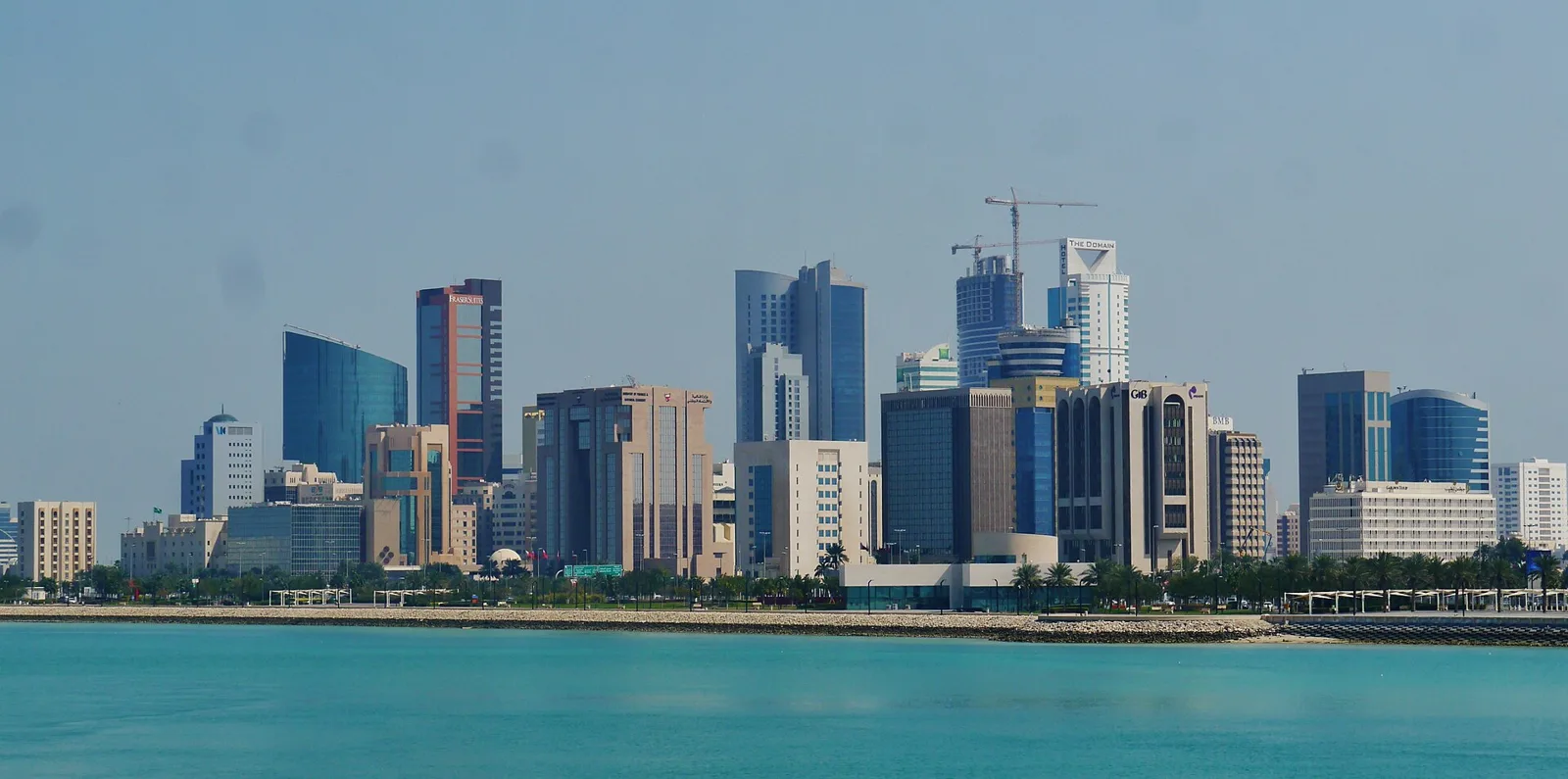
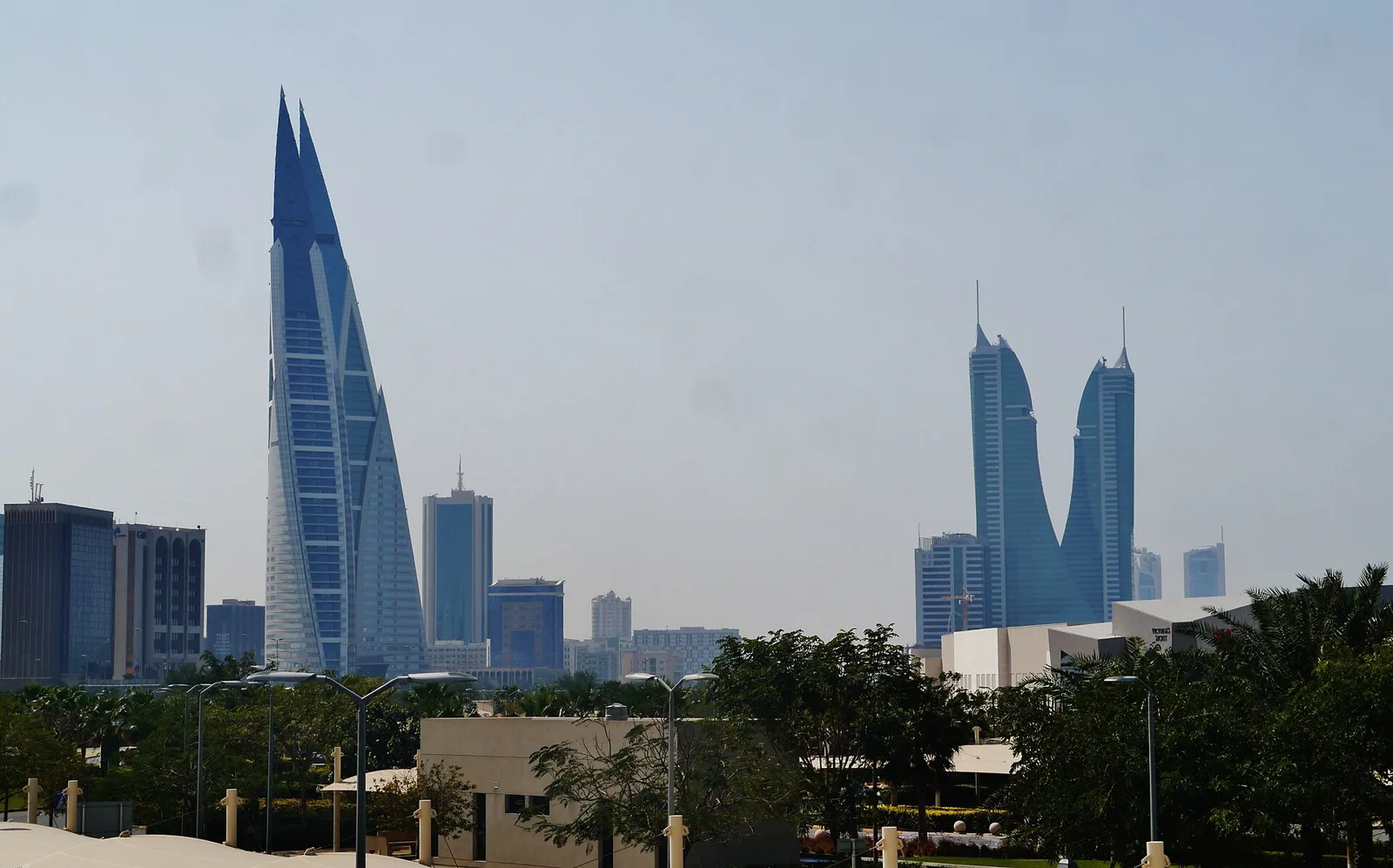
The Gulf Cooperation Council condemned repeated Houthi attacks on Saudi Arabia on Sunday and invoked the bloc's joint defence agreement behind the kingdom, after its foreign ministers met in Manama, Bahrain — the Gulf states' collective answer, delivered the same day Egypt pledged Saudi Arabia "all necessary" support and hours after a Houthi projectile wounded six people in a residential area of the Saudi border city of Najran. The statement said an attack on any member affected all six states and backed Saudi Arabia's right to protect itself, Al Jazeera reported. The condemnation came as the Saudi-led coalition reported shooting down two drones near Riyadh and in the Eastern Province early on Sunday, and a third drone near the capital hours earlier whose launcher it did not identify.
What did the ministers agree in Manama?
Full solidarity with Riyadh, in the bloc's strongest collective form. The six-nation council — Saudi Arabia, Bahrain, Kuwait, Oman, Qatar and the United Arab Emirates — met for the 168th session of its Ministerial Council, Anadolu Agency reported. The ministers accused the Houthis of deadly strikes on civilian airports and vital facilities, pressed for tighter enforcement of the United Nations arms embargo against the group, and urged countries to formally designate it a "terrorist organisation," Al Jazeera reported. They welcomed the UN Security Council's October 15 statement condemning Houthi strikes on Saudi Arabia and threats to Red Sea shipping. Yemen's internationally recognised government separately appealed to the Security Council to act against Houthi attacks on homes and state facilities, citing in letters to the UN secretary-general and the Council's October president the attack on the presidential palace in Aden. In Abu Dhabi on Sunday, UAE President Sheikh Mohamed bin Zayed and Vice President Sheikh Mansour bin Zayed met Saudi Defence Minister Prince Khalid bin Salman to discuss regional security, the UAE state news agency WAM reported via Al Jazeera.
What happened in Najran on Sunday?
A projectile fired from Yemen hit a residential neighbourhood, wounding six people. Saudi Civil Defense said a hostile projectile launched by the Houthi group struck a residential site in Najran, wounding six citizens and causing material damage to three houses and three vehicles, in a statement cited by the Saudi Press Agency and carried by Qatar News Agency; the spokesperson said attempts to target civilian objects flagrantly violate international humanitarian law. Reuters reported the same Civil Defense account. Najran, in the southwest near the Yemen border, is the same city where a Saudi National Guard AH-6i helicopter crashed on Sunday, killing its two crew members — a loss the coalition attributed to a technical malfunction and the Houthis claimed as a missile shootdown, as reported earlier on Sunday; the projectile casualties are a separate incident in the same border region, which has been hit repeatedly in recent weeks as fighting has escalated, Reuters reported.
What did the council say about shipping and Iran?
That the waterways must reopen and the Gulf states must be inside any US-Iran deal. According to Anadolu Agency's account of the statement, the ministers declared their full support for the measures Riyadh is taking to protect its security and interests, backed Yemen's unity and sovereignty and a political settlement based on dialogue, the GCC Initiative, the National Dialogue outcomes and UN resolutions, and held that freedom of navigation is a shared international responsibility — rejecting restrictions on shipping through the Strait of Hormuz, Bab el-Mandeb and the Red Sea and calling for Hormuz conditions to return to where they were before February 28. On US-Iran tensions they backed mediation, with any deal expected to cover Iran's nuclear and missile programmes, drones and support for armed proxies, and with Gulf states included in talks that affect their security. The same day, the GCC ministers held a strategic dialogue in Manama with Russian Foreign Minister Sergey Lavrov; Arab News reported that both sides discussed keeping Hormuz and Bab el-Mandeb open and agreed to step up consultation on regional disputes, and that Saudi Foreign Minister Prince Faisal bin Farhan met Lavrov separately on the Yemen escalation and threats to navigation.
What is happening on Yemen's fronts?
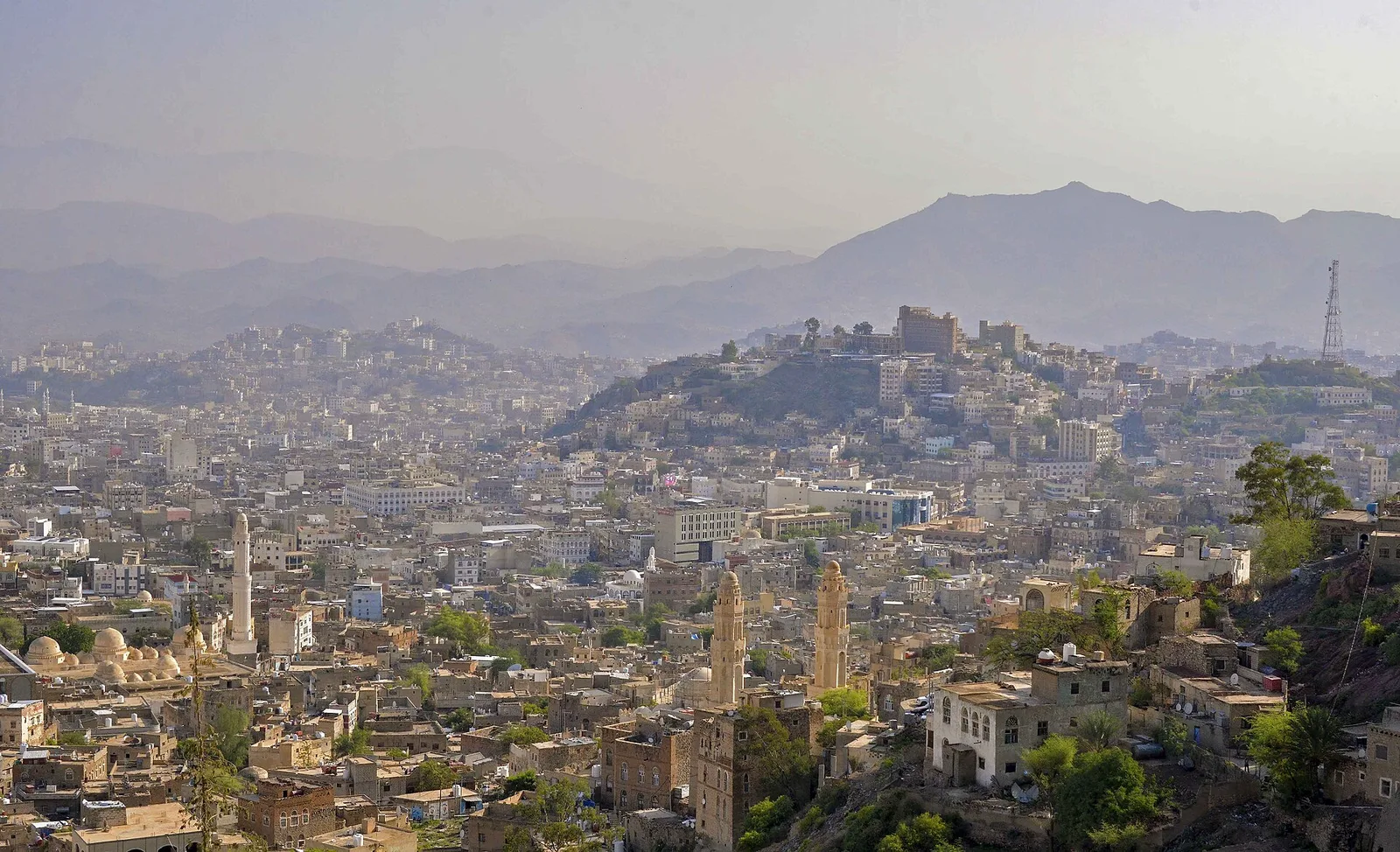
Government offensives and Houthi fire are both continuing, on the accounts of the parties. The Yemeni military said the Houthis fired missiles towards the central city of Marib on Sunday, while government troops reported gains in Taiz, further south, Al Jazeera reported. Government-aligned commanders said eight soldiers died in fighting in Lahij province on Saturday, and government forces claimed to have killed 12 Houthi fighters in southern Taiz — figures Al Jazeera noted could not be independently confirmed, and which are published here as the commanders' claims. The fighting has uprooted more than 233,000 people, according to the International Organization for Migration, about 121,000 of them in Taiz province, where the World Health Organization has warned the city's 12 hospitals have fuel for about four days and have run out of surgical supplies.
This article is drawn from reporting opened and read for this article: Al Jazeera English's October 18, 2026 report of the GCC statement and the Yemen fronts, Reuters' updated October 18, 2026 report carrying the Saudi Civil Defense Najran account, Qatar News Agency's October 18, 2026 report of the same Civil Defense statement via the Saudi Press Agency, and Anadolu Agency's account of the Manama statement with Arab News' report of the GCC-Russia dialogue. Statements by the GCC, Saudi Civil Defense, the Yemeni government and Yemeni commanders are their own, as reported by those outlets; the Taiz and Lahij casualty claims are the parties' accounts and could not be independently confirmed, as noted in the text.