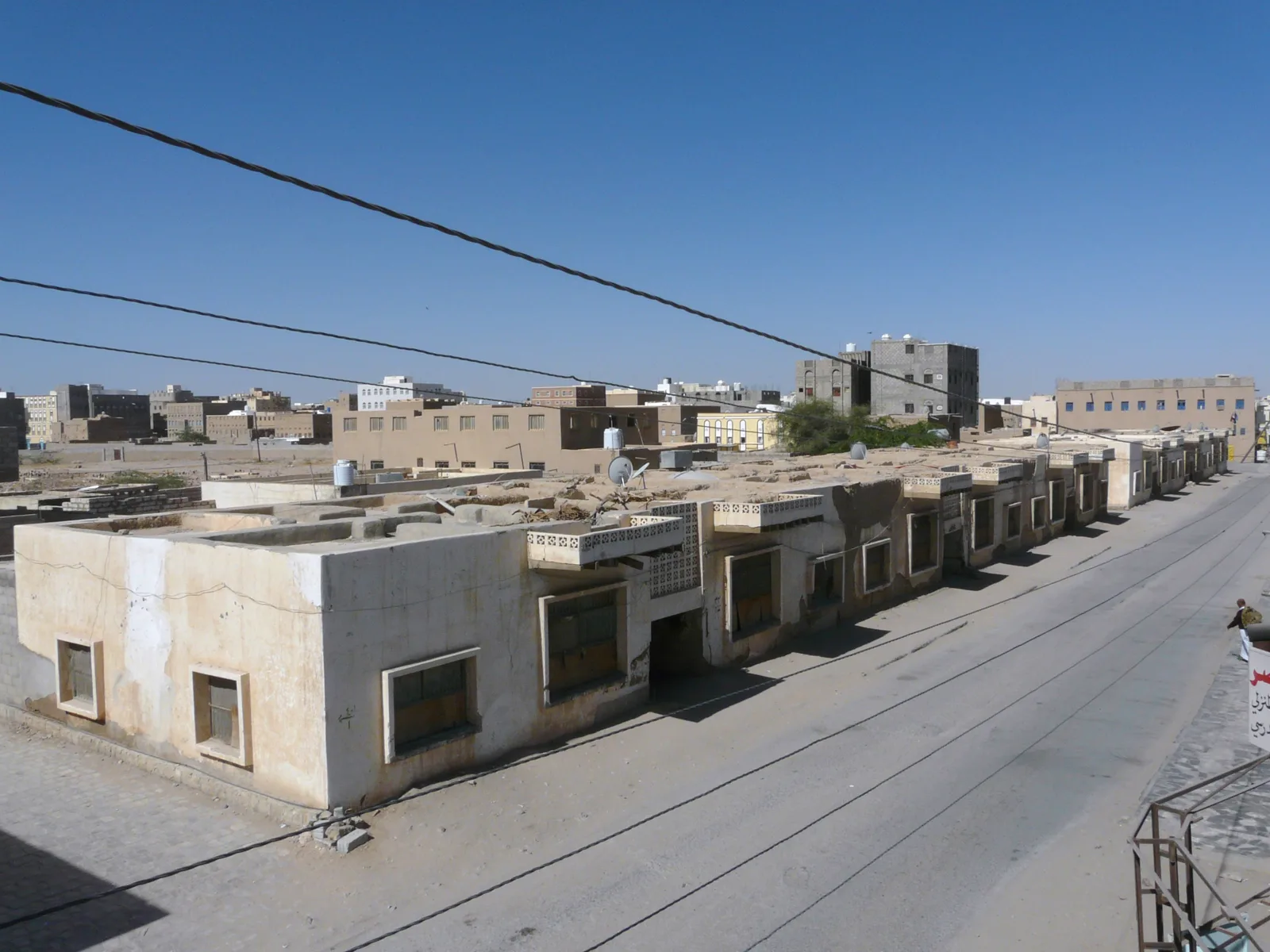
Houthi forces fired ballistic missiles at a government security-forces training camp in Yemen's Shabwa province on Monday, killing 53 people and injuring 200, according to the local authority — one of the deadliest single attacks since Yemen's fighting resurged this summer. The missiles struck the al-Alam camp while new recruits were training to join the internal security forces, and the Houthis confirmed that they had targeted the camp. The provincial government said the death toll was preliminary and could rise.
What happened at the al-Alam camp?
Three ballistic missiles hit the camp during a training exercise, local authority sources who spoke on condition of anonymity told Reuters. The Houthis' military spokesperson Yahya Saree said on X that the group had targeted the training camp, which he said was run by Saudi forces, Reuters reported; the Saudi authorities did not immediately respond to a request for comment. One Yemeni military official told the Associated Press that the missiles struck while recruits were lining up in formation for a training session. Video verified by Reuters from Shabwa province showed injured people on the ground at the scene.
How many people were killed and wounded?
Fifty-three people were killed and 200 were injured, according to the local authority, in figures carried by both Reuters and the Associated Press. The toll climbed through the day: Reuters' first report put the dead at at least 18, citing four government and medical sources; Deutsche Welle reported that military sources had originally put the toll at 30 before it rose past 50. "The death toll has risen to at least 50, with more than 100 people injured, some of them in critical condition," Fahad al-Khalifi, the deputy governor of Shabwa, said, according to AFP. Al-Khalifi added that local hospitals had been overwhelmed and that some of the more seriously wounded had been transferred to facilities in other provinces. The provincial government described the recruits as trainees for the internal security forces and called on Yemen's president, the Saudi-led coalition and the government to expedite air defence and early warning systems for the province, the AP reported.
How has the government responded?
With a promise of retaliation. The head of Yemen's ruling Presidential Leadership Council, Rashad al-Alimi, promised a "firm response" and said the attack reflected the Houthis' "approach of resorting to cowardly terrorist attacks whenever they face pressures or their Iranian-backed sabotage plots falter", the AP reported. The Houthis, for their part, have made no secret of the strike: the group acknowledged targeting the camp, and its spokesperson framed the camp as a Saudi-run facility, an account the Saudi authorities had not publicly answered in the reporting opened for this article.
Why does the Shabwa strike matter?
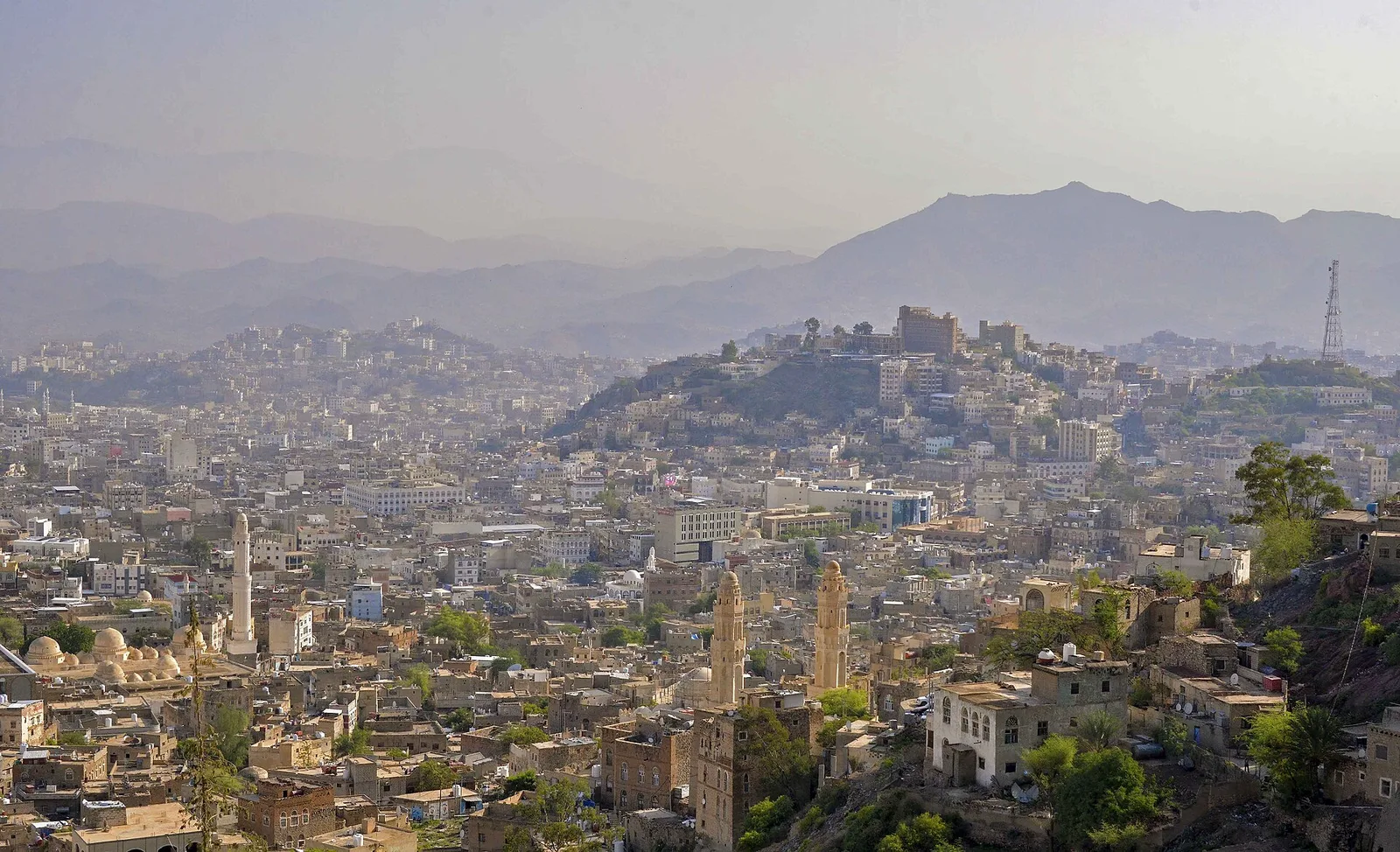
It is the deadliest single strike of the current escalation, and it landed in a province central to Yemen's economy. Shabwa is an energy-rich province in south-central coastal Yemen overlooking the Gulf of Aden, and it is home to the Balhaf liquefied natural gas facility, Yemen's largest industrial investment, Reuters reported. The Houthis and the internationally recognised government, which is backed by a Saudi-led coalition, have been trading attacks since the group advanced in September towards territory near the Bab el-Mandeb Strait, the shipping chokepoint at the mouth of the Red Sea. Government forces this month began a campaign aimed at recapturing areas controlled by the Houthis, recovering ground near the strait, while the group besieges Taiz, Reuters reported. The Shabwa strike also followed a weekend of attacks in the other direction: on Sunday, an airstrike blamed on Saudi-led forces killed at least nine people, including five children and two women, in the Houthi-held northern province of Saada, according to the Houthi-run Health Ministry, the AP reported; there was no immediate comment from Saudi Arabia, and that toll rests on the Houthi authorities' account. Yemen's war began in 2014, when the Houthis seized the capital Sanaa; a Saudi-led intervention followed in 2015, and a 2022 truce held until this year.